If you have a petrol bike and a flat battery, you have probably wondered whether a lithium battery motorcycle upgrade is worth the extra money over the usual lead-acid unit. The short answer: lithium is lighter and holds charge longer in storage, but it costs more upfront, and the right choice depends on how you ride and store the bike.
A plain-spoken note before we start. Electric Dirt Bike Australia (EDBA) does not sell 12V starter batteries, lead-acid or lithium. What we stock are high-voltage lithium traction packs and chargers for electric bikes. This guide gives you a fair comparison for the petrol-bike question, then explains why an electric motorbike works in a completely different way.
Lead-acid or lithium: what is in your starter battery?
Almost every petrol motorcycle has a 12V battery whose job is short and sharp: spin the starter motor, then help run the lights, ignition and electronics. Two chemistries dominate.
How a 12V lead-acid battery works
A lead-acid battery uses lead plates in an acid electrolyte, and each cell delivers about 2V, so six cells in series give 12V. The technology is old, cheap and well understood, and the Wikipedia article on the lead-acid battery explains how it works in detail. Modern motorbike battery versions are often sealed and maintenance-free, such as AGM and gel types.
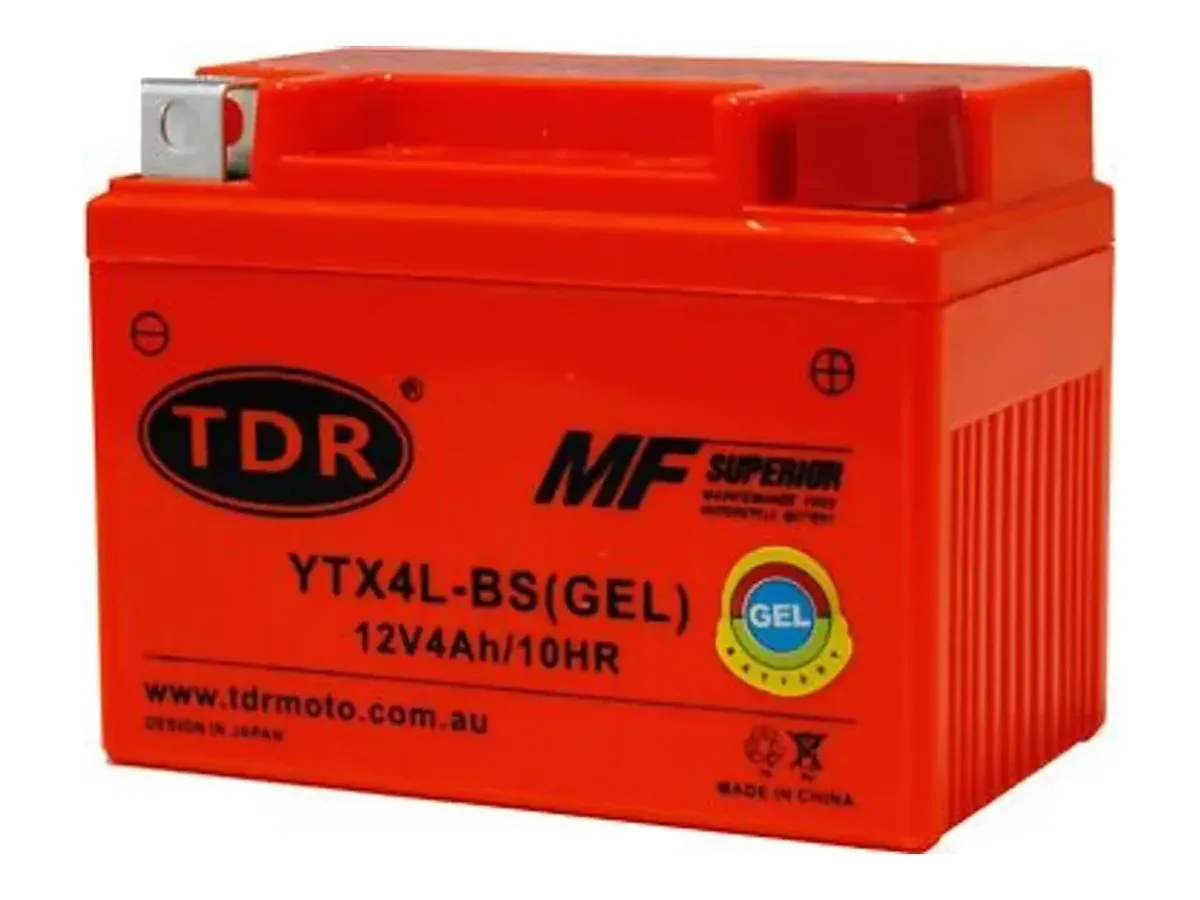
How a lithium starter battery differs
Most lithium starter units use lithium iron phosphate (LiFePO4). Each cell is about 3.2V, and four cells in series give roughly 12.8V. Wikipedia's page on the lithium iron phosphate battery covers the chemistry, and Battery University's types of lithium-ion batteries article explains where LFP sits among the other lithium types. A small electronic management board protects the cells from over-charge and deep discharge.
Head-to-head: lithium battery motorcycle vs lead-acid
Here is how the two compare for a typical starter application. These are general characteristics, so always check the specific product's data sheet.
| Factor | Lead-acid (sealed AGM or gel) | Lithium (LiFePO4) |
|---|---|---|
| Weight | Heavier | Noticeably lighter |
| Upfront price | Lower | Higher |
| Lifespan | Shorter on average | Often longer if well treated |
| Self-discharge in storage | Higher | Lower |
| Cold starting | Familiar behaviour in cold | Some units need care in very cold weather |
| Charging | Most chargers work | Needs a lithium-compatible charger |
| Disposal | Widely recycled | Needs proper battery recycling |
Battery University's summary table of lithium-based batteries lists voltage, cycle life and specific energy by chemistry if you want the underlying numbers.
When a lithium battery motorcycle upgrade makes sense
Lithium is a good fit if you chase weight savings on a race or trail bike, if the bike sits unused for weeks, or if you have limited space for the battery. Because it self-discharges slowly, a lithium unit tends to hold charge better over a quiet winter, though you should still check it before the first ride.
When lead-acid is still the better buy
Lead-acid wins on price, on simplicity and on compatibility. If your bike has an older charging system, if you ride in very cold conditions, or if you want a cheap, familiar replacement, a sealed AGM or gel battery does the job. There is nothing wrong with sticking to what your motorcycle battery manual recommends.
How to choose a motorbike battery safely
Whichever chemistry you pick, follow a few rules:
- Match the voltage (12V for nearly every petrol bike).
- Match the physical size, terminal layout and polarity to your battery tray.
- Meet or exceed the cold cranking amp (CCA) rating in your manual.
- Check the maker says the unit suits your bike's charging system.
- Buy a charger or maintainer made for that chemistry.
- Read the warranty and keep your receipt.
- Never charge a damaged or swollen battery.
What cold cranking amps tell you
The CCA rating is the current a battery can deliver for a short burst at low temperature, and it is the number that matters when a cold engine needs to turn over. Choosing a battery with a CCA at or above your manual's figure protects the starter and gives you a safety margin on frosty mornings. A tiny, lightweight battery with a lower rating may look attractive but can leave a big single-cylinder engine struggling.
Fitting and charging
A common mistake is treating a lithium starter battery as a drop-in swap without checking the bike's charging system. Many modern bikes are fine, but some older regulators and charging setups are not designed for lithium, so confirm with the battery maker or your bike's manufacturer first. For storage, whichever chemistry you own, keep the battery clean, dry and off a cold concrete floor, and put it on a suitable maintainer if the bike will sit for weeks.
Disconnect the negative terminal first and reconnect it last, keep tools away from both terminals, and charge in a ventilated space away from anything that burns. For general lithium safety, read the NSW Government page on lithium-ion batteries and e-micromobility devices and the Queensland Fire Department's lithium-ion battery safety advice.
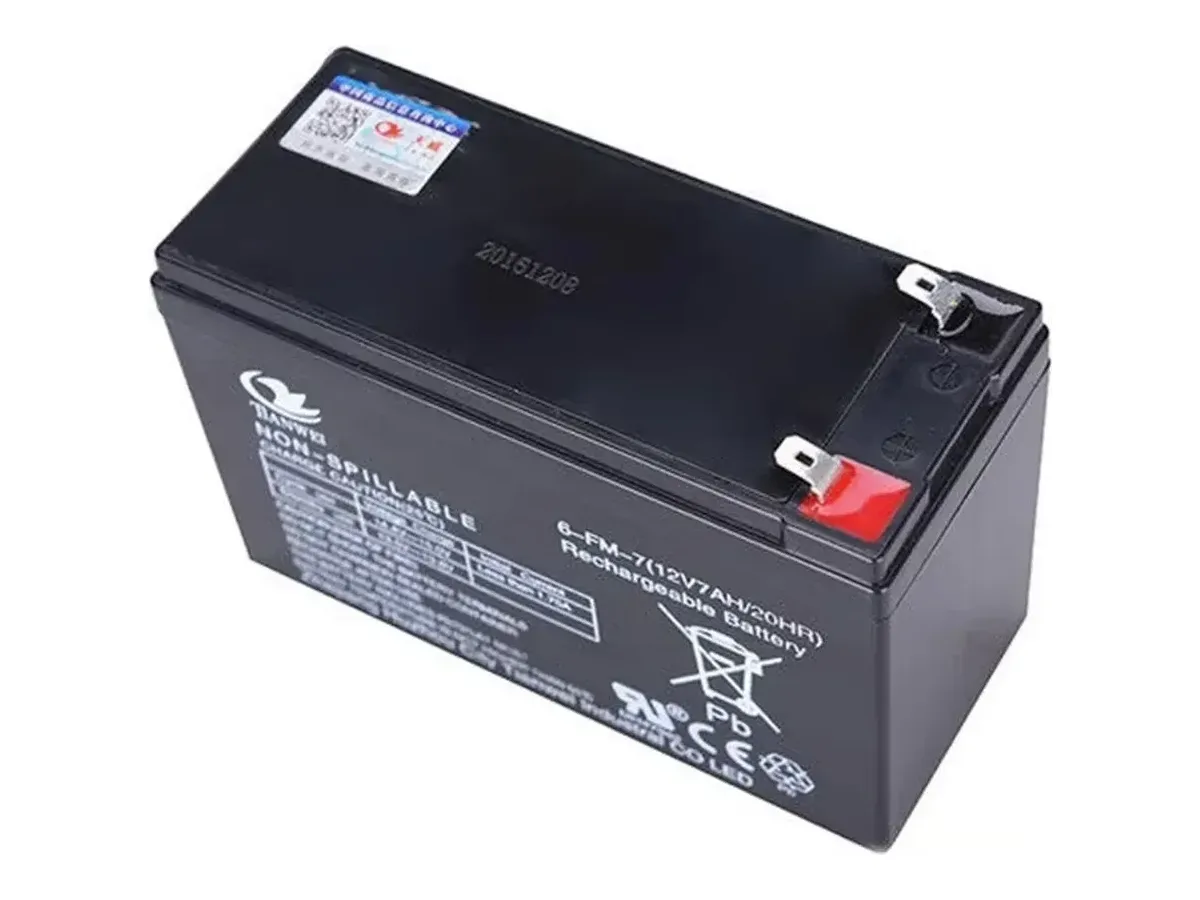
Why an electric motorbike does not use a 12V battery
An electric motorbike has no engine to crank, so the starter-battery job disappears. Instead the whole bike runs off a large lithium traction pack that feeds the motor directly. These packs are measured in watt hours, not cold cranking amps, and they sit at 60V, 72V or higher.
Cells in series: where 60V and 72V come from
A single lithium-ion cell is nominally between 3.6V and 3.75V and charges to 4.2V. String 16 in series and you reach roughly 60V nominal and 67.2V full (16 x 4.2), which matches the 60V 53Ah pack, listed at 67.2V full charge. String 20 and you reach about 72V nominal and 84V full (20 x 4.2), matching the 72V 42Ah pack. That is why these packs carry smart BMS boards that watch every cell group.
A worked energy comparison
Watt hours equal volts multiplied by amp hours. As an illustration, a 12V 10Ah starter battery holds 12 x 10 = 120Wh. The 60V 53Ah traction pack holds 60 x 53 = 3,180Wh, which is about 26 times as much, because it has to drive the bike for kilometres rather than spin a starter for seconds. Weight tells a similar story. The Sur-Ron OEM pack stores 2,400Wh in 11.5 kg, which works out near 209Wh for every kilogram at pack level, and that energy density is what makes electric bikes practical.
The traction packs we do stock
Two good examples show the difference in scale.
| Pack | Voltage | Capacity | Energy | Price |
|---|---|---|---|---|
| 60V 53Ah High-Capacity Pack | 60V nominal, 67.2V full | 53Ah | 3,180Wh | $1,990 |
| 72V 42Ah High-Discharge Pack | 72V nominal, 84V full | 42Ah | 3,024Wh | $2,190 |
The 60V 53Ah pack is listed as safe with factory Sur-Ron Light Bee X, Segway X260 and Talaria controllers, with a Bluetooth smart BMS and active cell balancing.
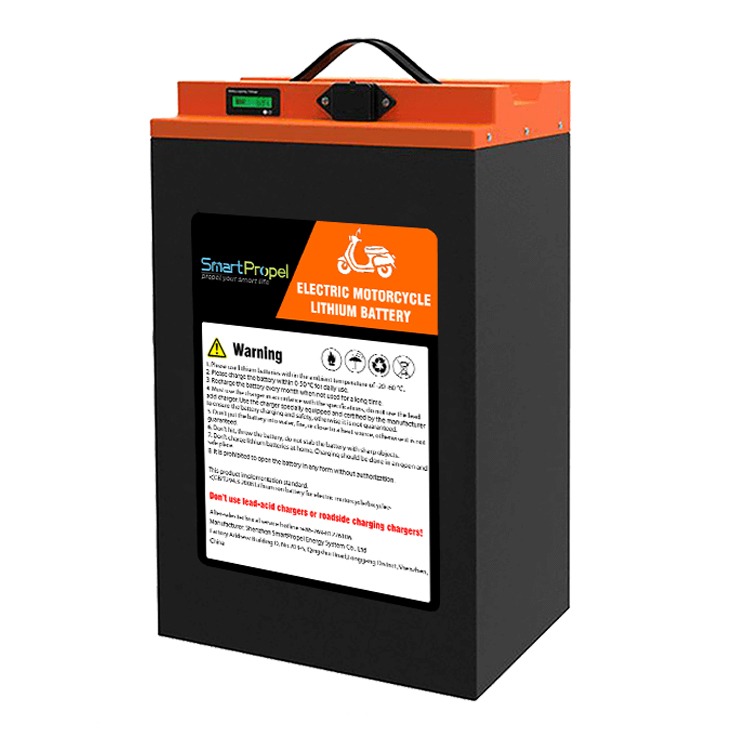
60V 53Ah High-Capacity Battery Pack (Stock Controller Safe)
Massive range upgrade that works 100% safely with your factory Sur-Ron or Talaria 60V controller.
The 72V 42Ah pack uses Molicel 21700 high-drain cells and is rated at 250A continuous, with a smart Bluetooth BMS and a 24-month replacement warranty. Our cell comparison explains what high-drain means, and our buying and safety checklist helps you check any pack before you buy.
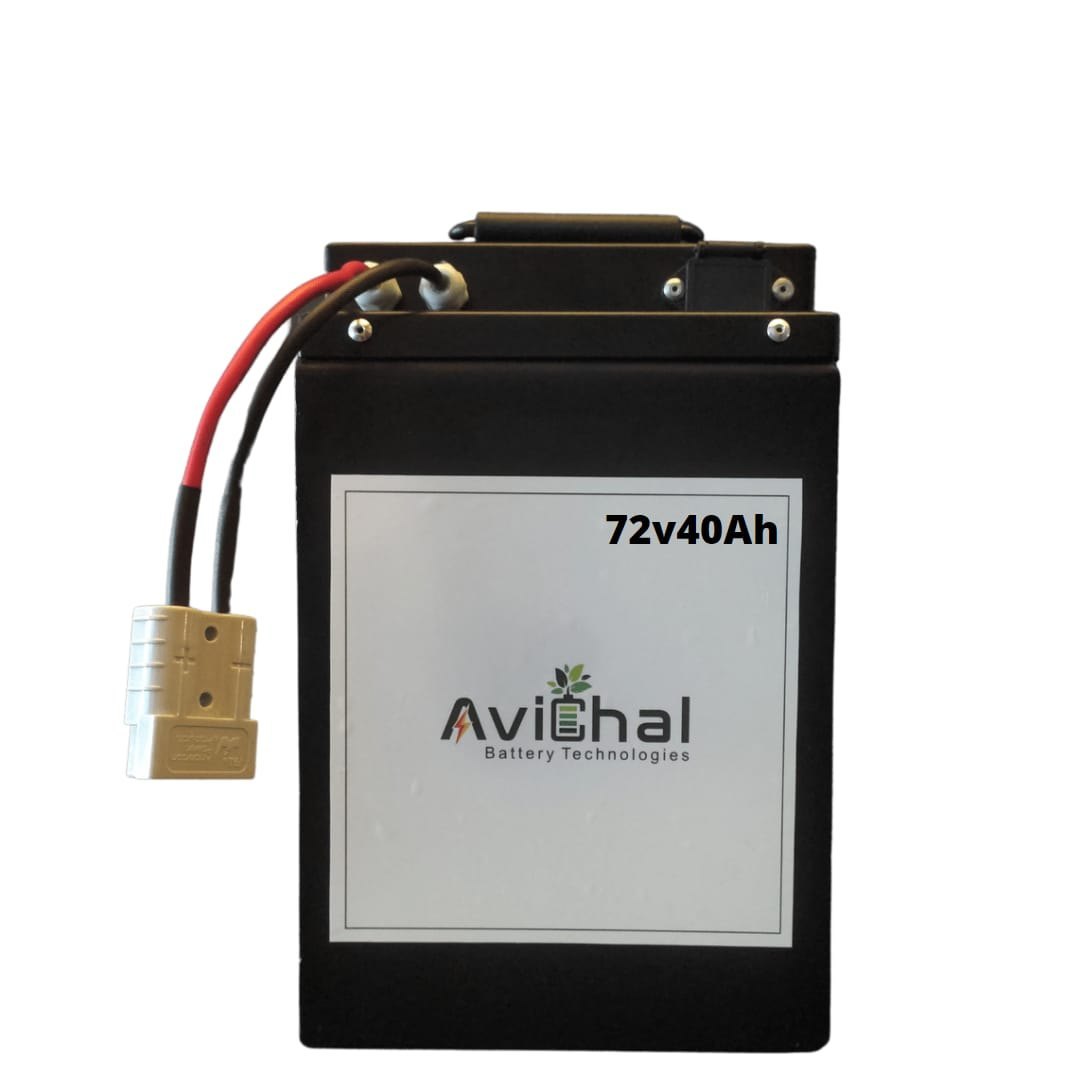
72V 42Ah High-Discharge Lithium Battery Pack
Custom Australian-built 72V 42Ah battery upgrade for Sur-Ron Light Bee X and Talaria. Massive 3,024Wh capacity.
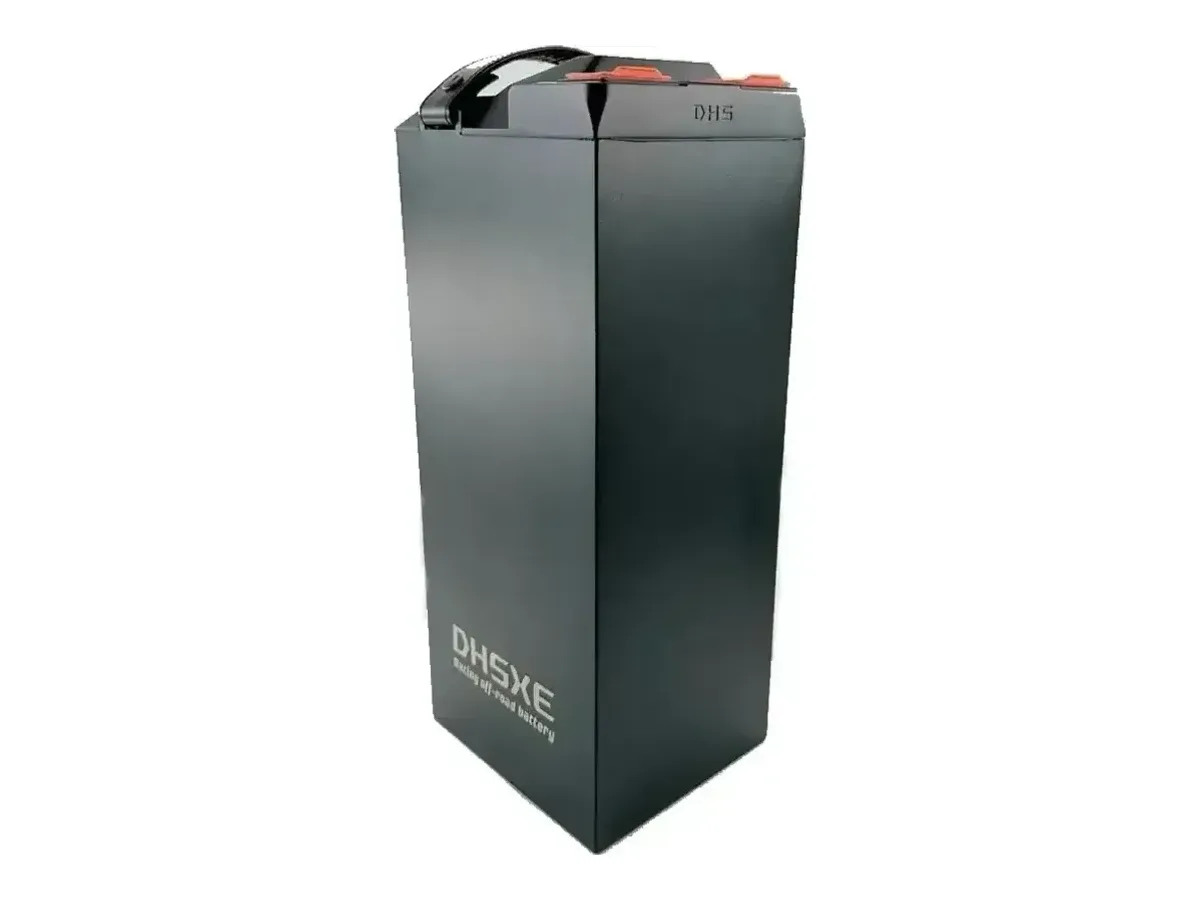
For a petrol bike owner, the 12V versus 60V question is really a lead-acid versus lithium one only at the starter level. To see how 12V sits against traction voltages, read our 12V vs 60V and 72V guide.
Electric motorbikes for sale: where to buy
If you are shopping for electric motorbikes for sale rather than a starter battery, start with the bike, then price the pack. The Sur-Ron Light Bee X is $6,490 and comes with its 60V 40Ah battery. If you already ride an electric bike and want more range, the 60V 53Ah high-capacity pack is $1,990 and the 72V 42Ah high-discharge pack is $2,190. Browse the full electric dirt bikes range for every model in stock.
Orders over $1,500 ship free, and paying with crypto or PayID takes 10% off. Looking for an electric dirt bike for sale? Open the electric motorcycles page, or message us through the contact page for help choosing.
Thinking of going electric?
If you are weighing up the switch from petrol, our running cost comparison puts real numbers on the difference. Browse our electric bike batteries and accessories ranges.
The category called electric motor bikes covers everything from commuter models to off-road e-motos, and the wider electric motorcycle bikes market includes road-registered models, so check the exact specifications and your state rules. Commuter-style bikes, including the kind sold as an electric motorcycle moped, are covered on our commuter mopeds page. Off-road electric dirt bikes are for private property and designated off-road areas, and road use depends on the model and state rules, so check with your state authority before riding on public roads. Our off-road electric bike guide covers where you can ride.
Frequently Asked Questions
Where can I find electric motor bikes for sale with big lithium packs?
Our electric motor bikes section lists models by type, from commuter options to off-road bikes. Compare the pack voltage and amp hours on each product page first, since volts multiplied by amp hours is the best single measure of how much energy the bike carries. Contact us if you need help comparing.
What should I look for in an electric motorbike for adults?
Start with how you will ride: private property, trails or commuting where the model and state rules allow it. Then compare power, weight, battery watt hours and warranty. A good bike in this class should have a pack and controller that match, a proper BMS and a charger suited to the voltage. Our adult electric dirt bike guide compares options.
Is an electric motorcycle for adults heavier than a petrol bike?
It depends on the model. The pack is the heavy part: our Sur-Ron OEM 60V 40Ah pack weighs 11.5 kg and the Talaria OEM 60V 45Ah weighs 12.8 kg. Lithium cells are far more energy-dense than lead-acid, so a bike of similar capability does not need a huge battery, though it will still be heavier than the lead-acid-powered starter you are used to carrying.
Can I buy an electric motorcycle for sale online with confidence, and what does it cost?
Yes, if you check the basics: clear specs, a named cell maker, BMS details, written warranty terms and local support. EDBA supplies Australian warranty, with 12 months on e-motos and accessories. For safety guidance, see the government pages linked above. Prices start at $6,490 for the Sur-Ron Light Bee X. Ask about registration and licence rules for your state.
Is an e-bike motorbike different from a pedal-assist bike?
Yes. The term usually means an e-moto with a throttle and a high-voltage traction pack, built for off-road use, whereas a pedal-assist e-bike has a smaller motor and a lower-voltage battery. The batteries are not interchangeable. See our e-bike battery guide for the pedal-assist side.