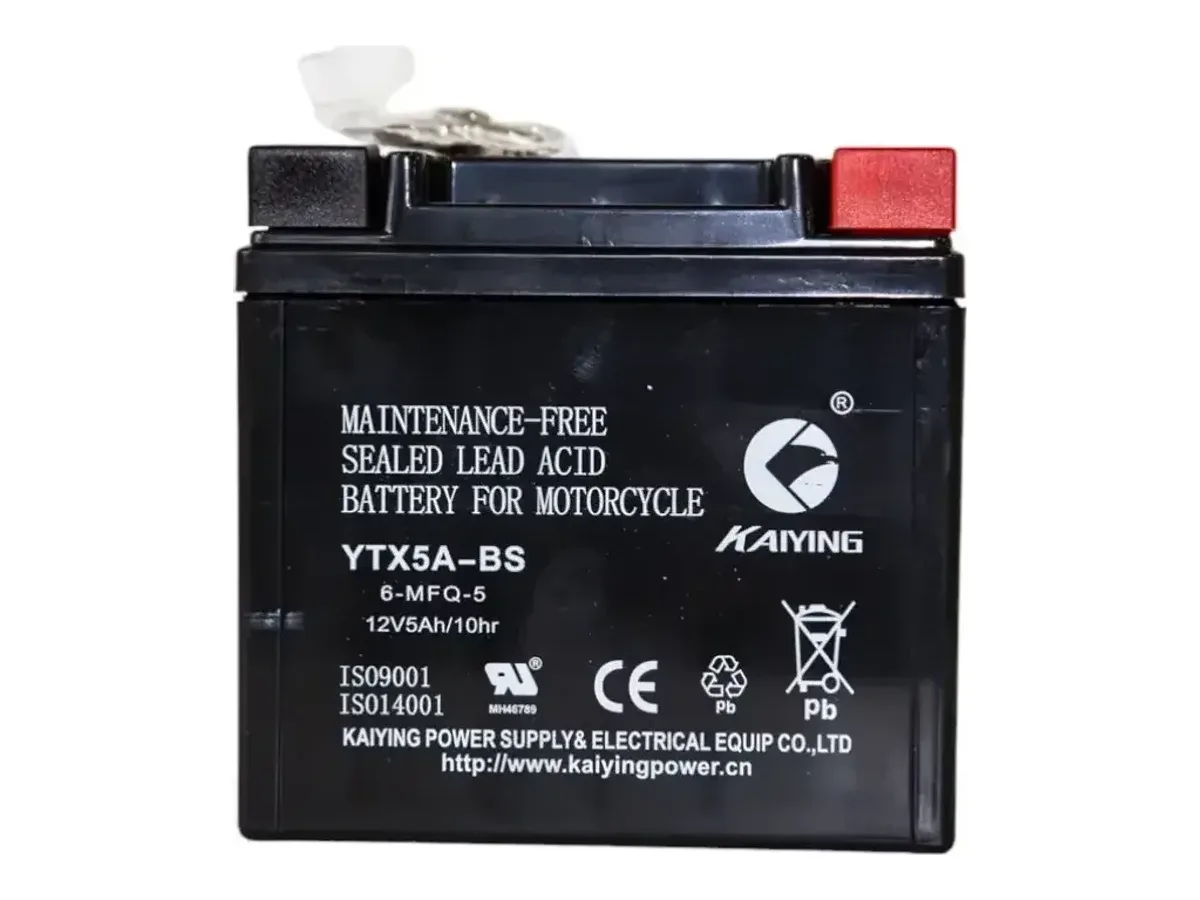
Search for a dirt bike battery and you will get two completely different products. On a petrol bike it is a small 12V box that spins the starter motor. On an electric bike it is the fuel tank, the engine's power source and the single most expensive part of the machine. Mixing the two up is the quickest way to waste money.
Here is the plain version. Electric Dirt Bike Australia does not sell 12V starter batteries. We stock high-voltage lithium packs and chargers for electric motorbikes at 60V, 72V and 84V, and this guide explains the difference so you buy the right thing the first time.
What a dirt bike battery does on a petrol bike
A petrol dirt bike battery is usually a sealed 12V lead-acid unit, or a small lithium replacement, sitting under the seat. Its job is short and simple. It turns the starter motor, runs the lights and horn, and gives the ignition a steady supply. Once the engine is running, the bike's own generator takes over and the battery just sits topped up.
Because the load is light and brief, these batteries are small and cheap. A flat one means a push start or a trickle charge, not a ride-ending failure. They tell you almost nothing about electric bikes, which is why shoppers who search for a motorbike battery need to be clear about which kind of machine they own.
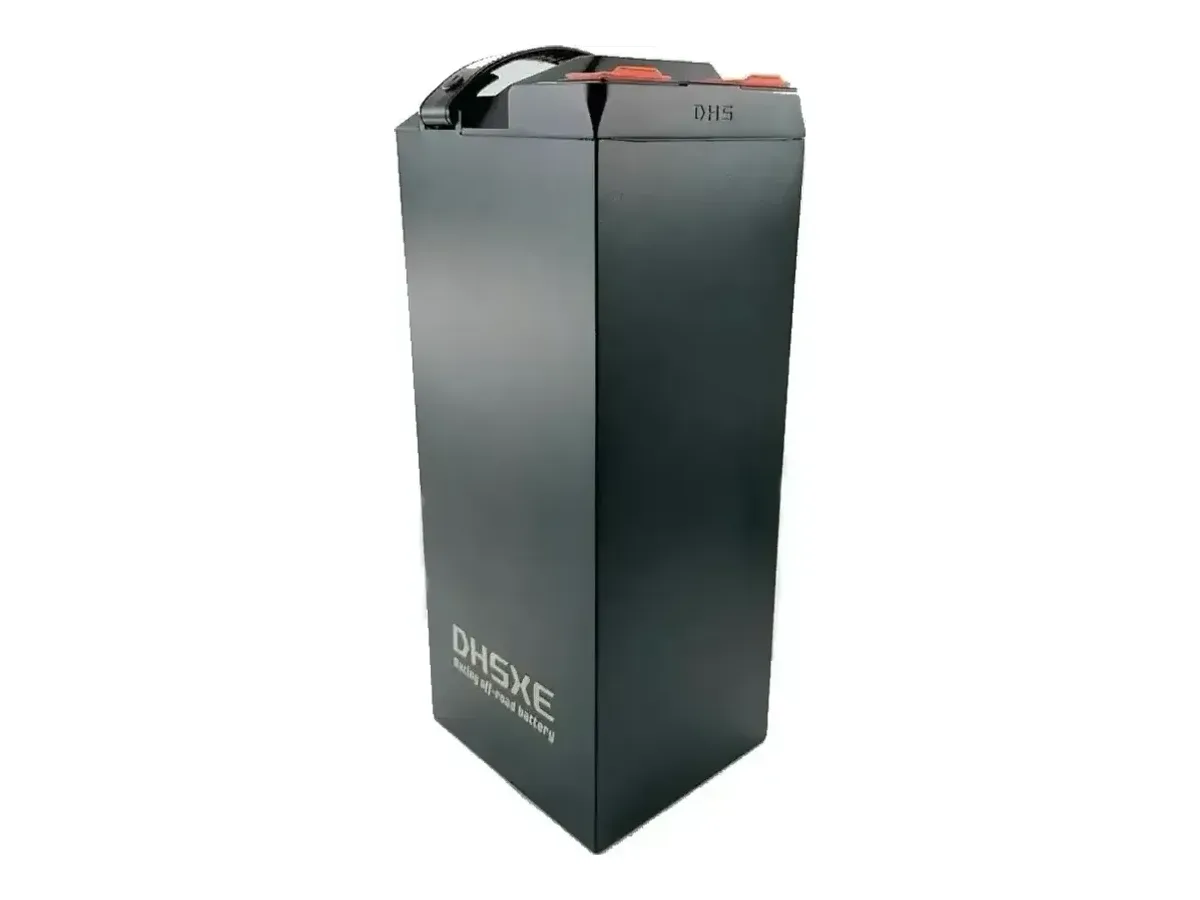
Where EDBA fits: traction packs, not starter batteries
Let's be direct about the range. We do not stock 12V motorcycle starter batteries, quad batteries or generic pedal-assist packs. If you ride a petrol bike and need a starter battery, a motorcycle shop or battery specialist is the right place.
What we do stock is the traction pack that drives an electric motorbike, plus the chargers and accessories that go with it. You can browse the full range in our electric bike batteries category, and the chargers, connectors and carry gear sit under accessories. If you are still choosing a bike rather than a pack, start at the electric dirt bikes page.
60V, 72V and 84V packs side by side
These are the packs we list, with prices and watt hours taken from each product page.
| Pack | Voltage | Capacity | Watt hours | Price |
|---|---|---|---|---|
| Sur-Ron Genuine OEM replacement | 60V | 40Ah | 2,400Wh | $1,790 |
| Talaria Genuine OEM replacement | 60V | 45Ah | 2,700Wh | $1,890 |
| High-capacity pack | 60V | 53Ah | 3,180Wh | $1,990 |
| High-discharge pack | 72V | 42Ah | 3,024Wh | $2,190 |
| Long-range touring pack | 72V | 50Ah | 3,600Wh | $2,590 |
| Extreme voltage race pack | 84V | 45Ah | 3,780Wh | $2,790 |
The 60V 40Ah pack is the one that ships in the Sur-Ron Light Bee X, so it is also the pack most owners eventually replace or add a spare of.
Reading a pack label: volts, amp hours and watt hours
Volts describe the electrical pressure. Amp hours describe how much charge the pack holds. Multiply them and you get watt hours, which is the number that actually tells you how much energy you are carrying.
Worked example: 60V x 40Ah = 2,400Wh. A 72V 50Ah pack is 72 x 50 = 3,600Wh, so it carries half as much energy again. A bigger watt hour figure generally means more distance, although weight, terrain and how hard you ride change the result a lot. The same arithmetic works for any e cycle battery, from a pedal-assist commuter to a full motorbike pack.
Why price per watt hour is a useful yardstick
Divide the price by the watt hours and you can compare packs fairly. As an illustration: $1,790 divided by 2,400Wh is about 75 cents per watt hour. The 72V 50Ah touring pack works out to roughly 72 cents per watt hour ($2,590 divided by 3,600Wh). The larger pack costs more in total but is not dearer per unit of energy, which is worth knowing before you assume the cheapest sticker is the best value.
Pack by pack: which bike each one suits
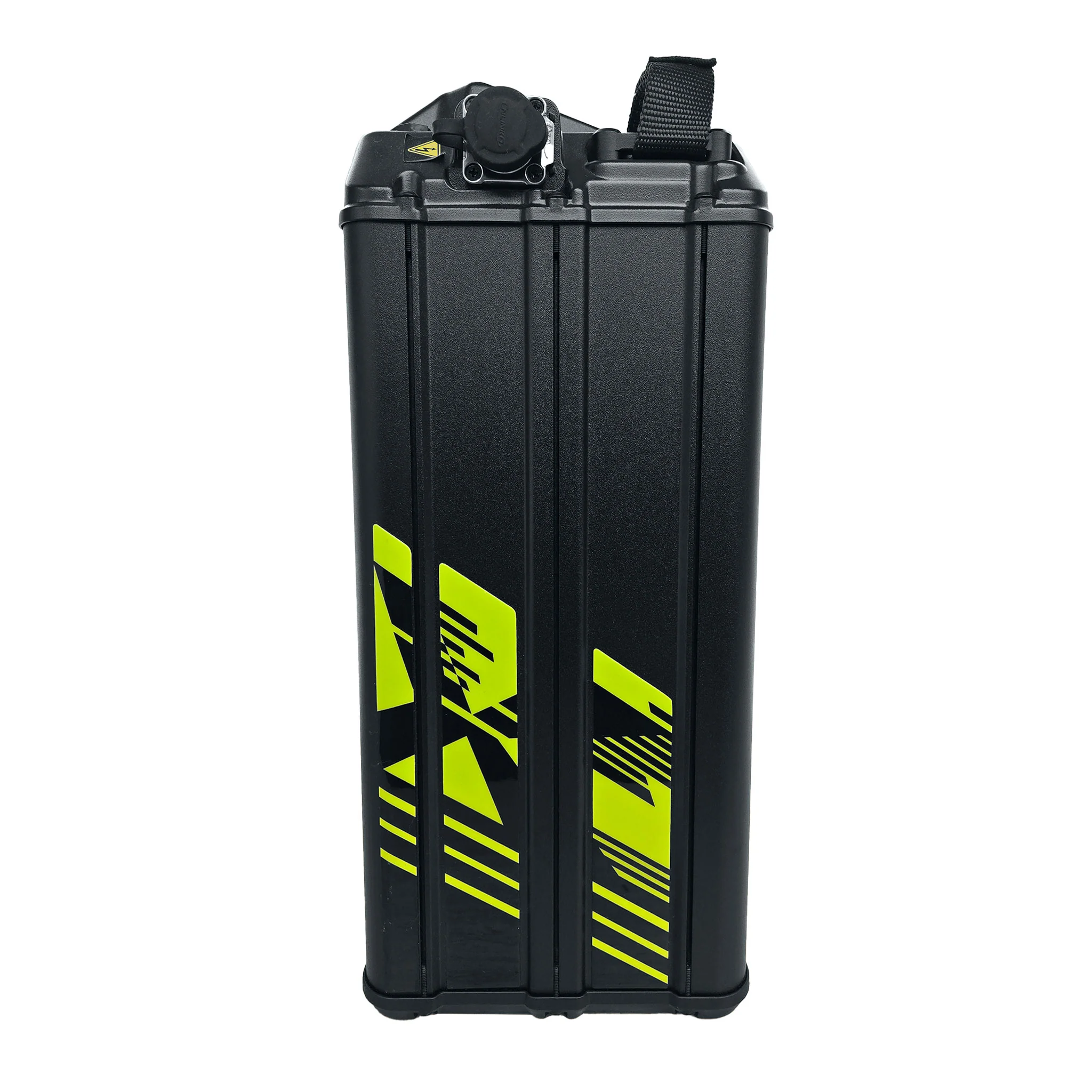
Sur-Ron Genuine OEM 60V 40Ah Replacement Battery
Original factory replacement 60V 40Ah battery with Panasonic/Samsung cells for Sur-Ron Light Bee X.
The genuine Sur-Ron 60V 40Ah pack is a like-for-like swap for the Light Bee X. Choose it when you want factory behaviour and no surprises, either as a replacement or as a second pack for longer days. The product page lists it at 11.5kg with an aluminium housing and rubberised bumpers.
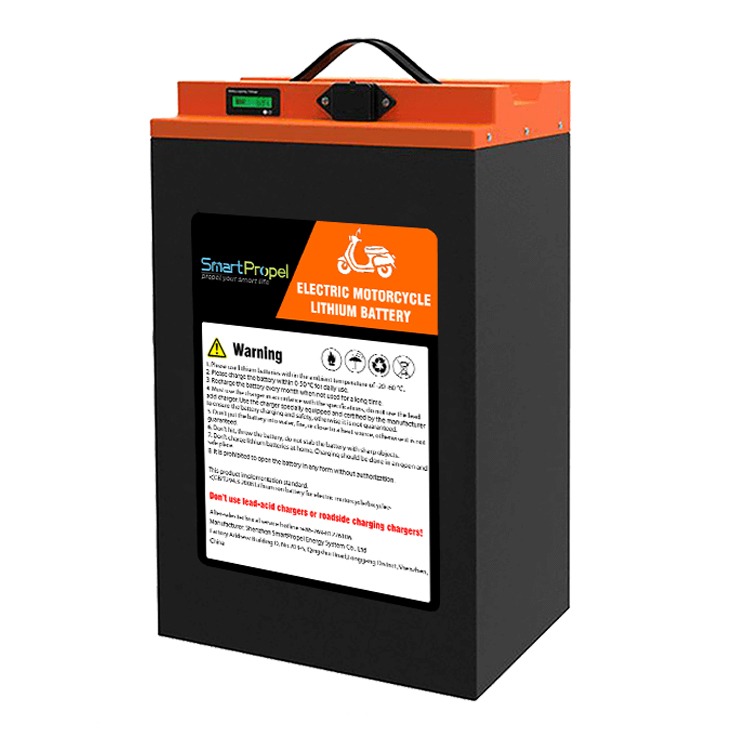
72V 50Ah Long-Range Touring Lithium Battery
High-capacity 3,600Wh battery built with Samsung 50S high-density cells for 130km+ trail adventures.
The 72V 50Ah touring pack is built with Samsung 50S 21700 cells and is listed at up to 130km or more on medium assist, at 16.5kg. It is a long-distance pack for riders who want hours on the trail, and it suits bikes and controllers set up for 72V. Check compatibility with the bike before you order, because voltage must match what the controller is designed for.
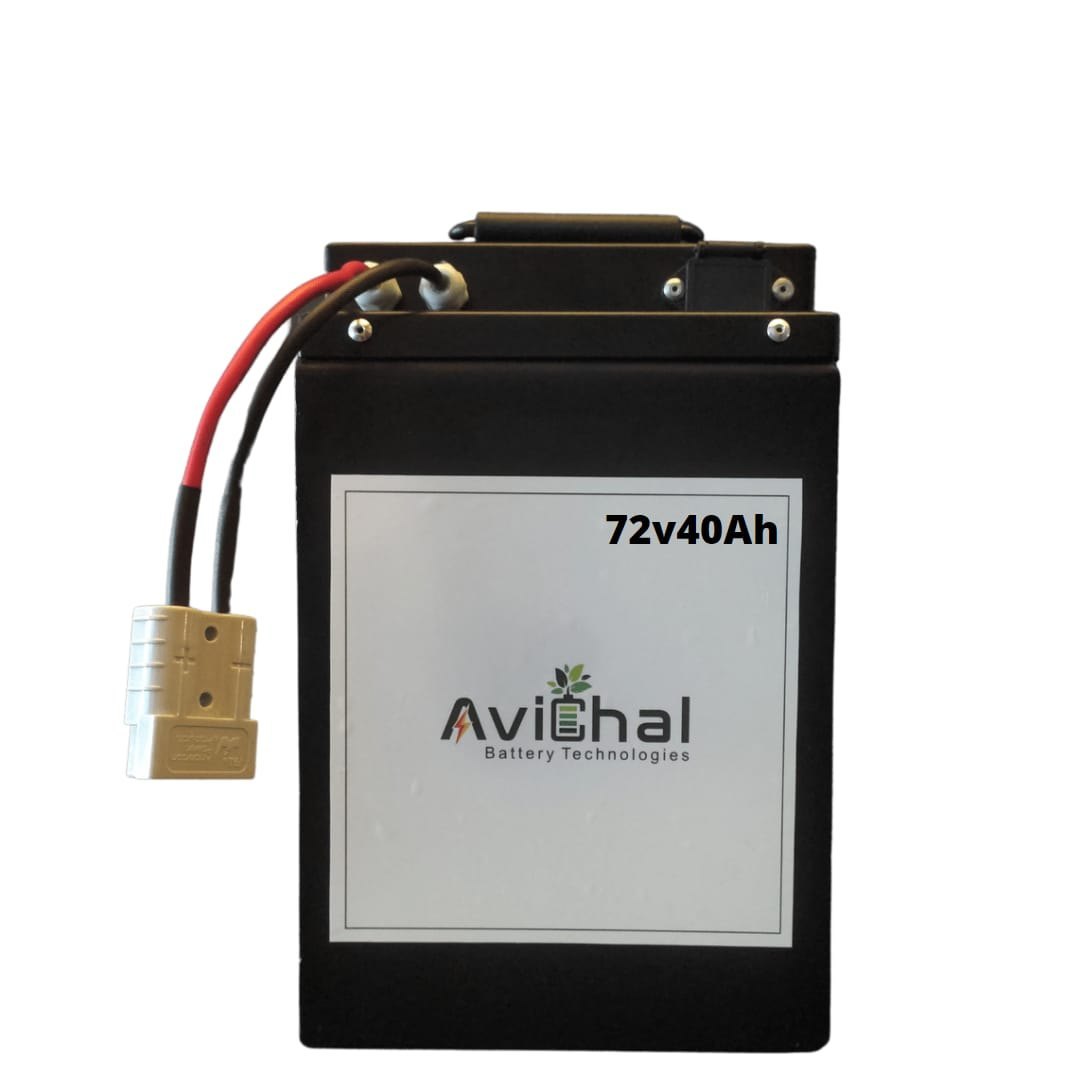
84V 45Ah Extreme Voltage Race Battery Pack
The ultimate 84V high-voltage race pack for Torp and EBMX tuned bikes. Delivers over 18kW burst output.
The 84V 45Ah race pack is a race pack, listed at 300 amps continuous and 450 amps peak burst, for tuned bikes running controllers such as the Torp TC1000. It is not a casual upgrade. If you are weighing 60V against 72V first, our guide to the 72V vs 60V battery upgrade walks through the trade-offs, and the full 72V upgrade guide covers wiring and controller checks.
Motorcycle battery vs electric traction pack
The two products share a name and almost nothing else.
Lead-acid starter batteries
A lead-acid starter is built to deliver a big burst of current for a few seconds, then rest. The chemistry is old and well understood, and the lead-acid battery overview explains why it is heavy for the energy it stores and dislikes deep discharge. That is fine for starting an engine and poor for driving one.
Lithium traction packs
An electric motorbike pulls sustained current from its pack for the whole ride, so it uses lithium-ion cells arranged in series and parallel, with a battery management system that watches temperature and cell balance. Battery University's summary of lithium-based batteries shows how chemistries differ in voltage and cycle life. Our comparison of lithium vs lead-acid motorcycle batteries goes further if you are curious about swapping chemistries on a petrol bike.
Range, charging and the right e bike battery charger
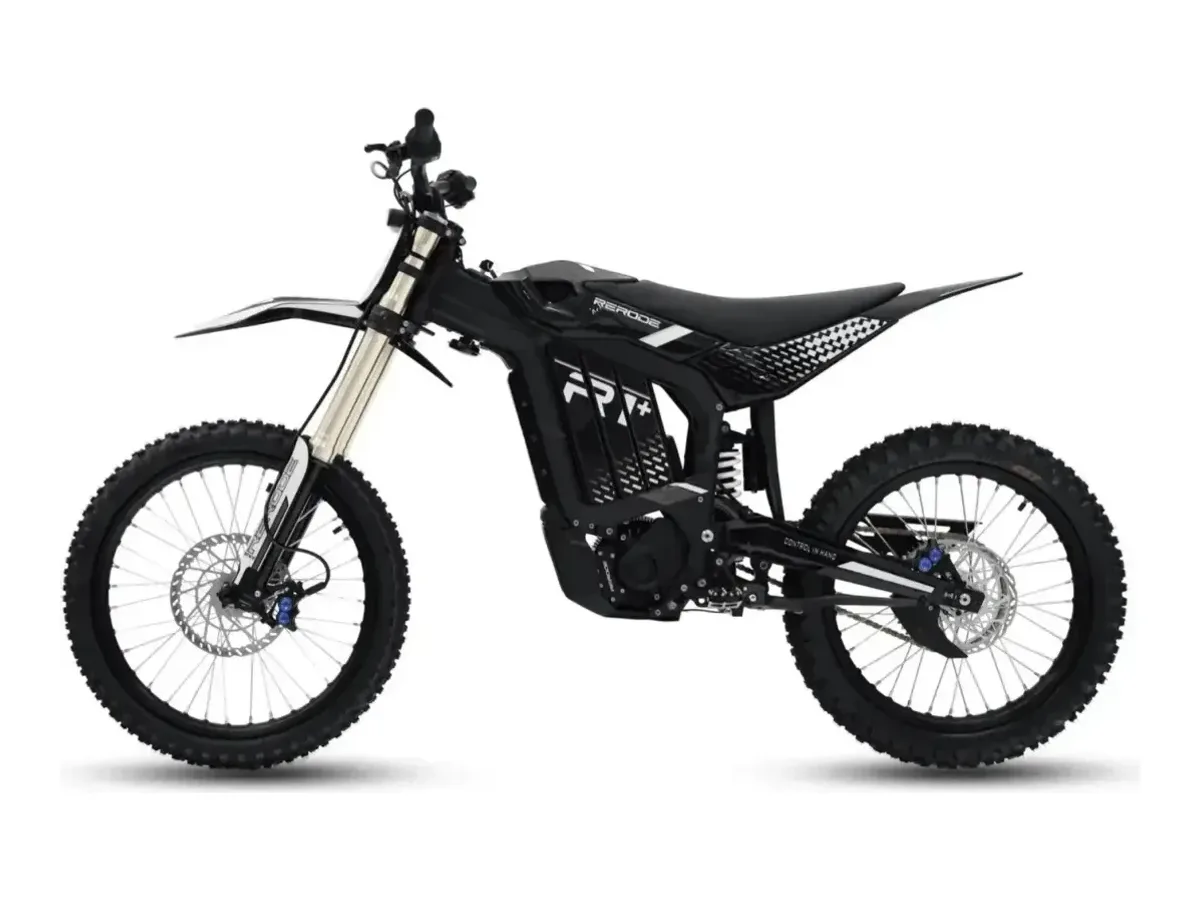
Range is a product of watt hours and how you ride. Hard throttle, steep climbs, soft sand and heavy riders all drain a pack faster. The Light Bee X is listed at up to 100km in eco mode with a 3.5 hour charge on its standard fast charger, and that is the best case, not a promise for every ride.
Your charger matters as much as the pack. A good e bike battery charger matches the pack voltage, offers adjustable current, and shuts off safely when something is wrong. The 15A Smart Fast Charger auto-detects 60V and 72V packs and lets you pick 5A, 10A or 15A output, which is handy when you want a gentle overnight top-up one day and a quick turnaround the next. For more on matching chargers to packs, see our e-bike battery guide on voltage, capacity and range.
Any battery electric bicycle or motorbike lasts longest when you avoid living at the extremes. Battery University's notes on prolonging lithium-based batteries cover charge levels and depth of discharge in detail.
Electric bicycle battery replacement: what to check
Every lithium pack ages. Capacity fades slowly with use and heat, then you notice shorter rides, more voltage sag under throttle, or a battery management system that cuts out early. For a small pedal-assist bike or a full motorbike pack, the process is the same: confirm the voltage, check the connector, and match the physical fit.
Checking compatibility before you buy
Work through this short list before ordering any replacement.
- Confirm the nominal voltage your bike and controller are designed for.
- Check the connector type, since adapters add resistance.
- Measure the battery bay against the pack's dimensions and weight.
- Make sure your charger supports the voltage and current.
- Ask us if you are unsure. Our contact page is the fastest route.
Whether a bigger pack is worth it
A larger pack adds weight and cost, but also lets the motor work in a gentler part of its range. Many trail riders carry a spare rather than one giant pack, because swapping is quicker than waiting on a charger.
Storing and charging lithium packs safely
Treat a high-voltage pack with respect. Charge it on a hard, non-flammable surface, away from anything that burns and never while you sleep in a closed room. Do not charge a pack that has been dropped, swollen or heated. The NSW Government's page on lithium-ion batteries and e-micromobility devices and the Queensland Fire Department's lithium-ion battery safety guidance are worth reading before your first charge.
Remember too that these are off-road recreational machines. Ride them on private property and designated off-road areas, and check your state's rules before you do anything else.
Electric bike parts Australia: where to buy the right pack
If you need electric bike parts Australia wide for an e-moto, the traction pack is the part that matters most. The Sur-Ron OEM 60V 40Ah replacement is $1,790, the 72V 50Ah long-range pack is $2,590 and the 84V 45Ah race pack is $2,790. See every pack and charger on our electric bike batteries page, and add cables or carry gear from accessories.
Orders over $1,500 ship free, and paying with crypto or PayID takes 10% off. We stock e bike parts Australia riders ask for most, but not 12V starter batteries. If you want the whole machine, our full bike range has every electric dirt bike for sale in stock, and electric dirt bikes for sale start at the $6,490 Sur-Ron Light Bee X.
Frequently Asked Questions
Do you stock a 12V battery for motorbike starter use?
No. We do not stock motorcycle starter batteries, so a petrol bike owner should see a motorcycle battery specialist. What we sell is the high-voltage traction pack for an electric motorbike, in 60V, 72V and 84V sizes, along with matching chargers and connectors. If you are not sure which camp your bike falls into, send us the model and we will point you the right way.
Do you sell a quad bike battery?
No. A quad bike battery is a 12V starter unit, and we do not list those. Our focus is lithium packs and chargers for electric motorbikes. If your quad runs on petrol, a motorcycle or farm supply shop can fit the right battery, and if you are curious about electric alternatives, our electric dirt bikes range is a good place to start.
Where can I buy e bike parts Australia wide, and how much is an e-bike battery replacement?
It depends on the voltage and capacity. In our range a 60V 40Ah Sur-Ron pack is $1,790, a 72V 50Ah touring pack is $2,590, and the 84V 45Ah race pack is $2,790. Add a charger if yours is also tired. Always confirm voltage and connector fit before ordering, then check the product page for current pricing.
Which pack suits the Light Bee X, an electric dirt bike for sale at $6,490?
Shoppers often search for a "battery for a electric bike", but the first job is to match the voltage. The Light Bee X is a 60V bike, so the genuine 60V 40Ah pack is the direct replacement, and a 60V 53Ah pack is listed as compatible for riders who want more energy. Moving to 72V means checking that the controller and wiring are designed for it, so ask before you commit to the upgrade.
Which battery for an electric bike gives the longest range?
Among our listed packs, the 84V 45Ah has the most energy at 3,780Wh, then the 72V 50Ah at 3,600Wh. For most trail riders the 72V 50Ah touring pack is the sensible long-range pick, listed at 130km or more on medium assist. Real range always depends on terrain, weight and throttle use.