Shop for an e motorbike and you will meet three very different machines sharing similar names: the pedal-assist e-bike, the electric moped and the full-size electric motorcycle. They overlap in search results, but they differ in power, speed, weight, price and the rules that apply to riding them.
This post sorts them out with three real examples from the EDBA shelves, so you can see what separates a $3,490 commuter from a $5,990 moped and an $8,990 motorcycle. Nothing here replaces your state authority, but it will help you ask the right questions.
What an e motorbike is, and what it is not
Before the numbers, a quick glossary.
- Pedal-assist e-bike: a bicycle with a small motor that helps while you pedal. In the Australian road-compliant class the motor is 250W and the assist stops at 25 km/h.
- Electric moped: a small motor-driven bike with a higher-powered motor, a bigger battery and no pedalling required. Speeds in this class sit around 65 to 70 km/h on the models we stock.
- E-motorbike: a larger electric motorcycle with full-size ergonomics, a battery measured in kilowatt-hours and a top speed that handles faster roads.
The Wikipedia moped entry covers how the term is defined, and definitions vary by country, which is one reason shop listings blur the lines.
Side-by-side: power, speed, price and licence
The table uses one stocked example per class. Ranges are manufacturer claims, not promises.
| Pedal-assist e-bike | Electric moped | Full-size motorbike | |
|---|---|---|---|
| Example | RTR eBike Pro | NIU NQi GT | Vmoto Soco TC-Max |
| Price | $3,490 | $5,990 | $8,990 |
| Motor | 250W | 3,000W peak | 5,000W peak |
| Top speed | 25 km/h assist limit | 70 km/h | 95 km/h |
| Claimed range | Up to 80 km | 100 km (dual battery) | 120 km |
| Weight | 22 kg | 98 kg | 117 kg |
| Battery | 36V 15Ah (540 Wh) | 72V 26Ah dual removable | 72V dual removable, 4.8 kWh |
| Licence note in listing | No licence, registration or plate | LAMS approved | Full LAMS-compliant registration |
Read the last row as what the listing says, then confirm for your state. The wattage gap alone shows why these are different vehicles: 250W versus 5,000W peak is a factor of twenty.
How each class works
The e bike Australia riders know: pedal assist and 250W
On a pedal-assist machine the motor adds to your effort and cuts out at the assist limit. The RTR eBike Pro pairs that with Shimano 7-speed gears and a 22 kg frame, so it handles like a heavy bicycle rather than a small motorbike. If you want an e bike electric system that lets you ride to work without arriving soaked in sweat, this is the class you are looking at.
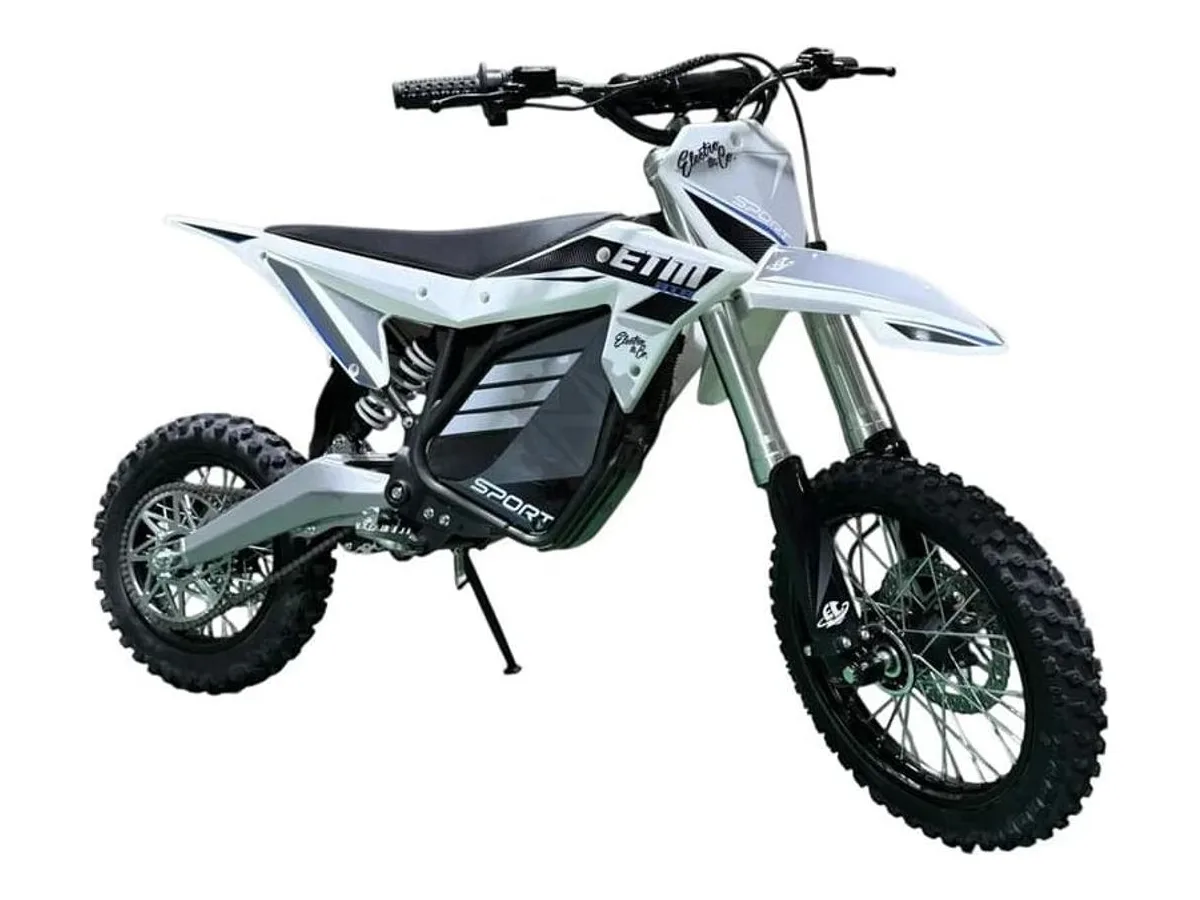
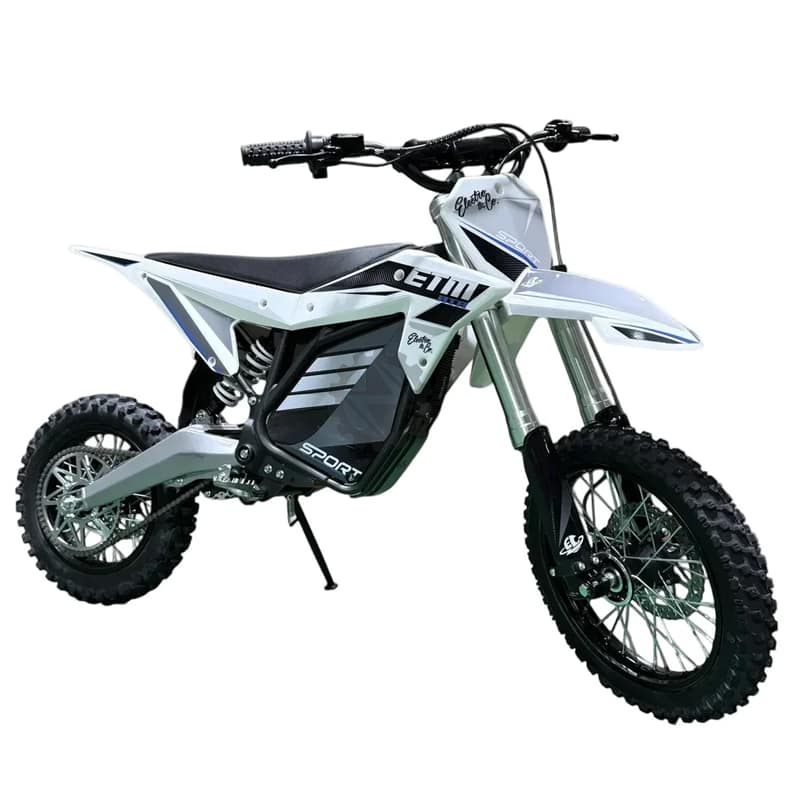
RTR eBike Pro Electric Commuter (Road-Legal, 250W)
Road-legal Australian street e-bike with 250W motor, 25 km/h speed limit compliance, and 7-speed Shimano gears — registered and ridden anywhere in Australia.
Power and speed limits for this class vary around the world, as the Wikipedia article on electric bicycle laws shows, so do not assume an overseas rule applies here. For Australian rules start with your state: NSW and Queensland both publish plain-language pages. Our state posts on Queensland e-bike laws and NSW e-bike regulations go into more detail.
The electric moped Australia commuters ask about
The NIU NQi GT has a 3,000W peak motor, a 70 km/h top speed and a dual removable battery pack. You twist the throttle and go, with no pedalling. That makes it a genuine alternative to a small petrol scooter for suburban commutes, with cellular GPS and a Bluetooth app on this model.
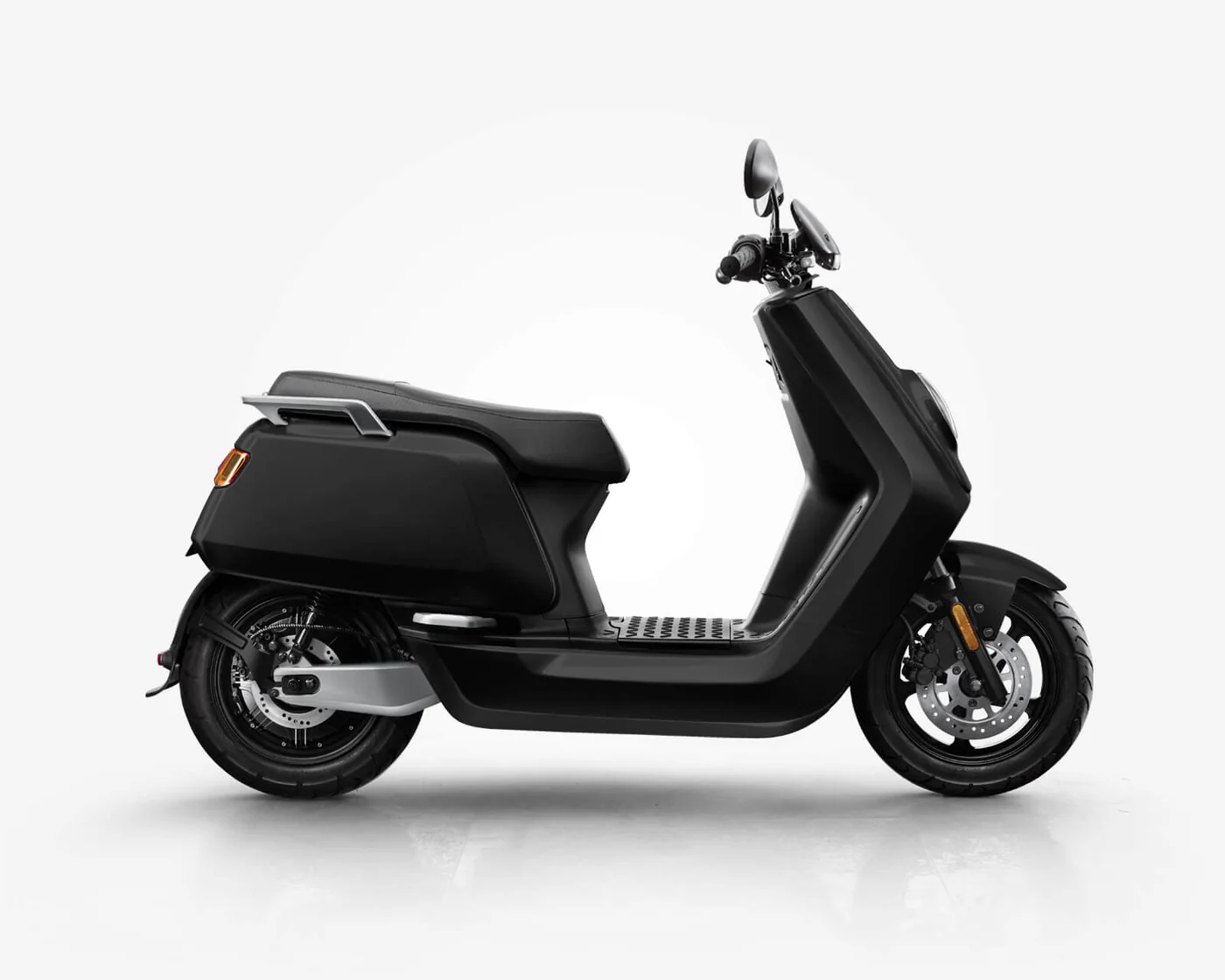
NIU NQi GT Electric Moped (Road-Legal, LAMS)
Road-registered electric moped with 3,000W motor, LAMS-approved registration for L and P-plate riders, and a full 100km range.
The Super Soco CPx sits in the same class at $5,490, with a 65 km/h top speed and 90 km of claimed range. Our commuter comparison of the RTR and Super Soco puts the two approaches side by side. For the moped range, browse the commuter mopeds collection.
Full-size electric motorbikes: more power, bigger frame
The Vmoto Soco TC-Max is the largest of the stocked road-going models. It has a 5kW peak motor, adjustable WP suspension at both ends and a top speed of 95 km/h. It is also the heaviest at 117 kg, which is a point to weigh up if you will be moving it around a garage.
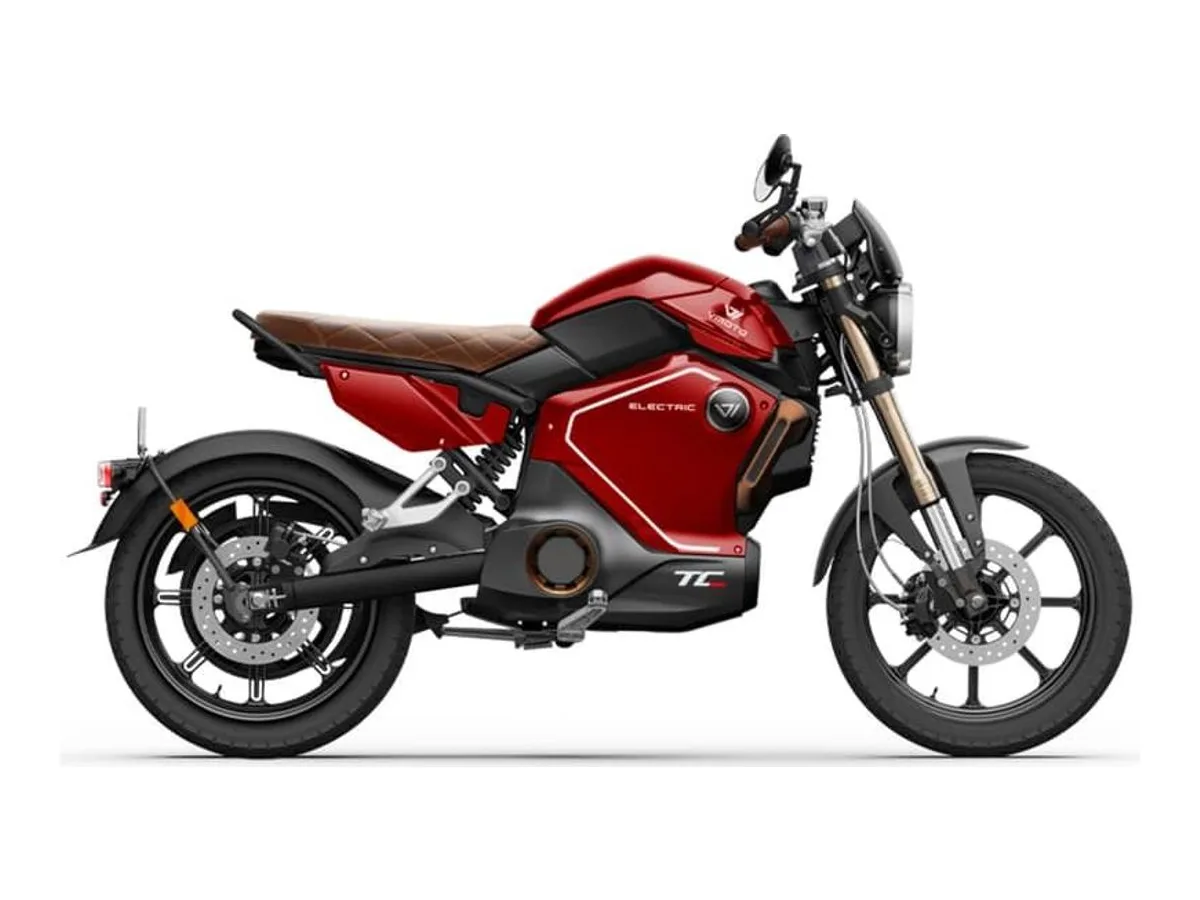
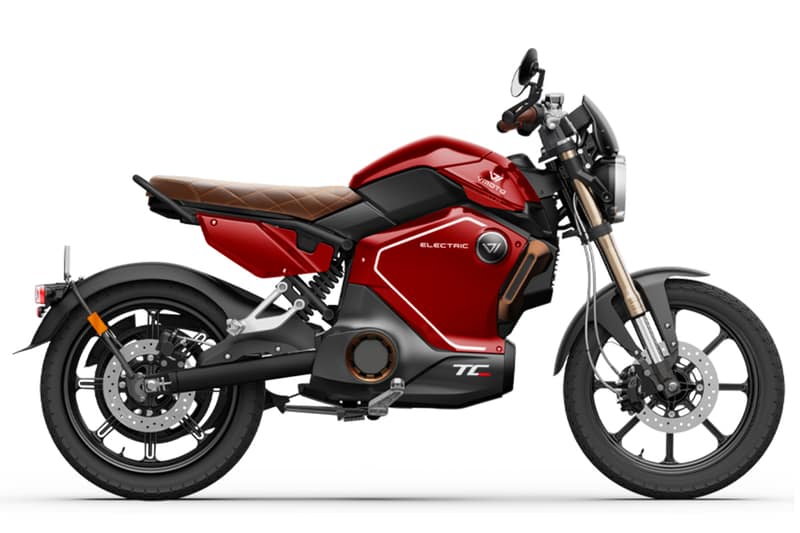
Vmoto Soco TC-Max Electric Motorcycle (Road-Legal, 5kW)
Premium 5kW road-legal electric motorcycle from Australian-listed Vmoto. Full-size motorcycle ergonomics, LAMS approved, 120km range.
Across every class, the electric motorcycle category on the electric motor bikes page lets you filter by speed and price.
Price e bike or moped: what each step up costs
Moving up a class costs money, but not in a straight line.
- RTR eBike Pro to NIU NQi GT: $2,500 more ($5,990 less $3,490), for 3,000W peak power and a 70 km/h top speed.
- NIU NQi GT to Vmoto Soco TC-Max: $3,000 more ($8,990 less $5,990), for 5,000W peak power, 95 km/h and a bigger battery.
Checking an e bike australia wide for the best deal? Compare the ladder rather than the sticker. If you pay with crypto or PayID, EDBA takes 10% off, and orders over $1,500 ship free. If you are weighing price e bike options for a first purchase, remember that a lower upfront price on a pedal-assist bike usually means less to spend on registration and insurance, though rules vary by state.
For the cheapest way in, our electric bikes range starts with pedal-assist models, while higher-speed machines live in the electric motorcycles category.
Which one fits your trip?
Match the class to the journey
Pick by the shape of your week, not by the biggest number on the sheet.
- Under 15 km, mostly cycle lanes and shared paths: the pedal-assist route. The RTR eBike Pro claims up to 80 km, so even a week of short trips needs only occasional charging.
- Suburban commuting at 50 to 60 km/h: the electric moped class. It covers a few kilometres of ring road without feeling out of its depth.
- Longer trips, faster roads or a bigger rider: the full-size motorbike class and its bigger frame.
Searching for the best e bikes australia buyers recommend can be unhelpful, because the right answer changes with the trip. A bike that is perfect for a flat coastal commute may be too small for a hilly hour in the saddle.
Battery size and charging differences
Battery size separates the classes as clearly as motor power does. The RTR eBike Pro has a 36V 15Ah pack, which is 36 x 15 = 540 Wh. The Vmoto Soco TC-Max stores 4.8 kWh, which is 4,800 Wh and roughly nine times as much energy. A bigger pack gives longer range and faster speeds, but also takes longer to refill from a household outlet and is heavier to carry. Whatever the class, charge on a hard, clear surface, away from bedding and exits. The NSW Government guidance on lithium-ion batteries explains safe charging and storage.
Licence, registration and insurance across the three
How the paperwork differs
Rules differ by state, so treat this as a framework. In general, a bicycle-class e-bike that meets the road-compliant limits is treated very differently from a motor-driven vehicle that does not need pedalling. Motor-driven mopeds and motorcycles have their own licence and registration requirements, and LAMS-approved models can be ridden by learner and provisional licence holders under the scheme in your state.
For your own state, the Victoria Police e-bike safety page and the pages above are sensible starting points, and your state transport authority has the final word on motor-driven vehicles. Our electric moped vs e-scooter LAMS guide is another useful reference. Read our electric motorbike for adults guide for how this plays out for riders choosing between the motor-driven models.
Insurance and servicing questions to ask
Ask any insurer which class they treat your bike as, and whether a removable battery is covered at home. Servicing differs too: a pedal-assist bike needs bicycle-style maintenance, while a motor-driven bike has heavier wear parts. Our insurance guide covers the general questions, even though it was written for off-road bikes.
Where off-road electric dirt bikes fit
The fourth group is the off-road electric dirt bike, such as the Sur-Ron range. These are high-performance recreational vehicles for private property and designated off-road areas, and road use depends on the model and state rules. If trails rather than commutes are your goal, see the electric dirt bikes range instead.
Electric motorbike for sale: what you can buy now
An electric motorbike for sale does not have to mean a big-budget purchase. The RTR eBike Pro is $3,490, the NIU NQi GT is $5,990 and the Vmoto Soco TC-Max is $8,990. Compare electric motorbikes for sale by daily distance, the fastest road you need to ride and whether you want to pedal, then browse the road-going motorcycle range or the commuter mopeds and RTR eBike pages.
Orders over $1,500 ship free, and paying with crypto or PayID takes 10% off instantly. Looking at electric motor bikes for sale and unsure which class fits? Read how to buy an electric motorbike step by step and talk to us through the contact page.
Frequently Asked Questions
Why is a performance e-bike different from a normal one?
Power and purpose. A road-compliant pedal-assist e-bike is limited to 250W and a 25 km/h assist, so it stays modest. Models described as high performance are usually off-road machines, such as the ACE-X Demon at 1,000W (off-road only), and need to stay on private property. Always check your state rules.
Which e bikes for sale Australia wide does EDBA have in stock?
EDBA lists pedal-assist e-bikes, electric mopeds and electric motorcycles in the electric bikes and electric motorcycles categories. Browse the shop for current prices and availability. Free freight applies to orders over $1,500, and EDBA-supplied e-motos carry a 12-month warranty.
Are the rules the same in every state?
No. Each state and territory sets its own rules, and they can change. Official pages from state governments, such as those for NSW, Queensland and Victoria, are the safest source. Check your own state and any state you plan to ride in before you buy.
How much is an electric motorbike for sale compared with an e bike cost?
Using stocked examples, the RTR eBike Pro is $3,490, the NIU NQi GT electric moped is $5,990 and the Vmoto Soco TC-Max electric motorcycle is $8,990. Add registration, insurance and riding gear where they apply. The pedal-assist bike is usually cheapest up front, while motor-driven classes bring faster speeds and larger batteries.
Is an electric moped the same as a full-size electric motorcycle?
Not quite. A moped is a smaller motor-driven machine, such as the NIU NQi GT at 70 km/h, while a full-size model like the Vmoto Soco TC-Max has a full-size frame and a 95 km/h top speed. Both are motor-driven and need no pedalling, but they differ in power and weight.