A 2 stroke dirt bike is loud, light and addictive, and plenty of riders swear they will never switch. Yet noise complaints, closed riding areas and the weekly routine of mixing fuel and rebuilding top ends push many of them to look at electric. This guide compares the two honestly, then shows four electric motocross and trail bikes from Electric Dirt Bike Australia with their real prices and specs.
We do not sell petrol bikes, so there is no sales pitch for the old way here. What follows is a practical look at what changes when you move from premix to a battery pack, on private property and designated off-road areas only.
How a two-stroke and an electric motor make power
A two-stroke engine fires on every revolution, which gives dirt motorcycles of this type a sharp, peaky powerband and a light feel. You keep the engine in its sweet spot with the clutch and gears. The mechanics are explained well in Wikipedia's two-stroke engine entry, and four-stroke bikes work differently, as described under four-stroke engines.
An electric motor delivers its torque from zero revolutions per minute. Instead of waiting for the bike to come on the pipe, you get a smooth, linear pull as soon as you open the throttle. That is why many riders describe an electric bike as easier to ride fast, even though it is not always lighter.
What 2 stroke dirt bikes riders miss, and what they do not
- Miss: the crisp, tuned scream of a 125 two stroke dirt bike and the instant weight of a bike that is simple to flick around.
- Do not miss: pre-mixing fuel, jetting changes after a temperature swing, leaking oil on the trailer carpet and ear-splitting noise at the end of a long day.
- Gain: consistent power regardless of altitude or heat, plus the ability to ride late and early without upsetting neighbours.
The cost of a 2 stroke dirt bike versus electric: fuel, oil and rebuilds
Petrol bikes cost money every ride: fuel, two-stroke oil, spark plugs, piston and ring rebuilds, and air filters. Electric bikes replace those with electricity and periodic checks on tyres, chain, brake pads and the battery. Our guide to electric versus petrol motocross running costs shows how to put real numbers against it.
Here is a simple method you can run with your own prices. Take the battery's size in kilowatt-hours (watt-hours divided by 1,000), multiply by your electricity price per kWh, and compare that with what you spend on fuel and oil for a similar ride. As a worked illustration only, a 5.7 kWh pack at a made-up $0.30 per kWh would cost about $1.71 for a full charge. Your tariff and riding will differ.
Servicing: where the time goes
A two-stroke needs frequent attention to the top end, exhaust and carburettor. An electric bike removes most of that. You still service bearings, suspension, brakes and the drivetrain, and you keep the battery healthy by avoiding extreme heat and long storage at full charge. See our servicing cost guide for the checklist.
Motocross bike options in the EDBA range
The four models below cover the span from a lightweight trail bike to a competition machine. All prices are in AUD, and paying with crypto or PayID takes 10% off at checkout.
| Model | Price | Peak power | Battery | Weight | Notes |
|---|---|---|---|---|---|
| Sur-Ron Light Bee X | $6,490 | 6 kW peak | 60V 40Ah | 50 kg | Light trail bike |
| Velimotor VMX12 | $8,990 | 12 kW | 72V 58Ah | 105 kg | 4-speed manual gearbox |
| Sur-Ron Storm Bee MX | $14,490 | 22.5 kW | 104V 55Ah | 122 kg | Track edition |
| Stark Varg Alpha | $16,990 | 45 kW (60 hp) | 6.0 kWh | 118 kg | KYB suspension, Brembo brakes |
Sur-Ron Light Bee X for the lightweight feel
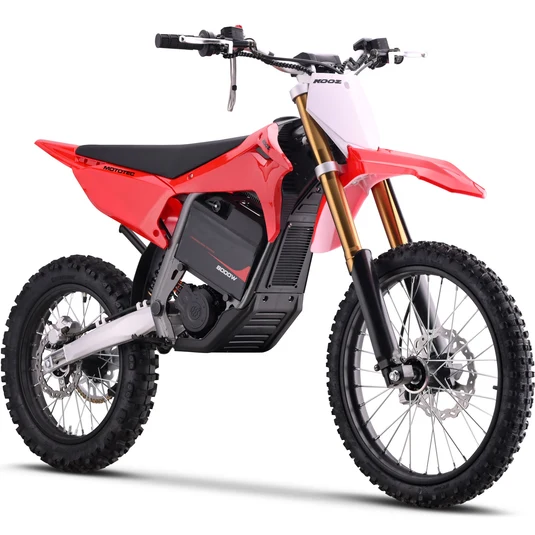
The Sur-Ron Light Bee X is the closest in size to a small two-stroke. It weighs about 50 kg, runs a 60V 40Ah pack and suits trails and smaller tracks. Find the maker's own information at Sur-Ron.
Sur-Ron Light Bee X (60V 40Ah)
Australia's most popular electric trail bike with 6kW peak power, 60V 40Ah battery, and lightweight 50kg dry weight.
Velimotor VMX12: manual gearbox for old-school riders
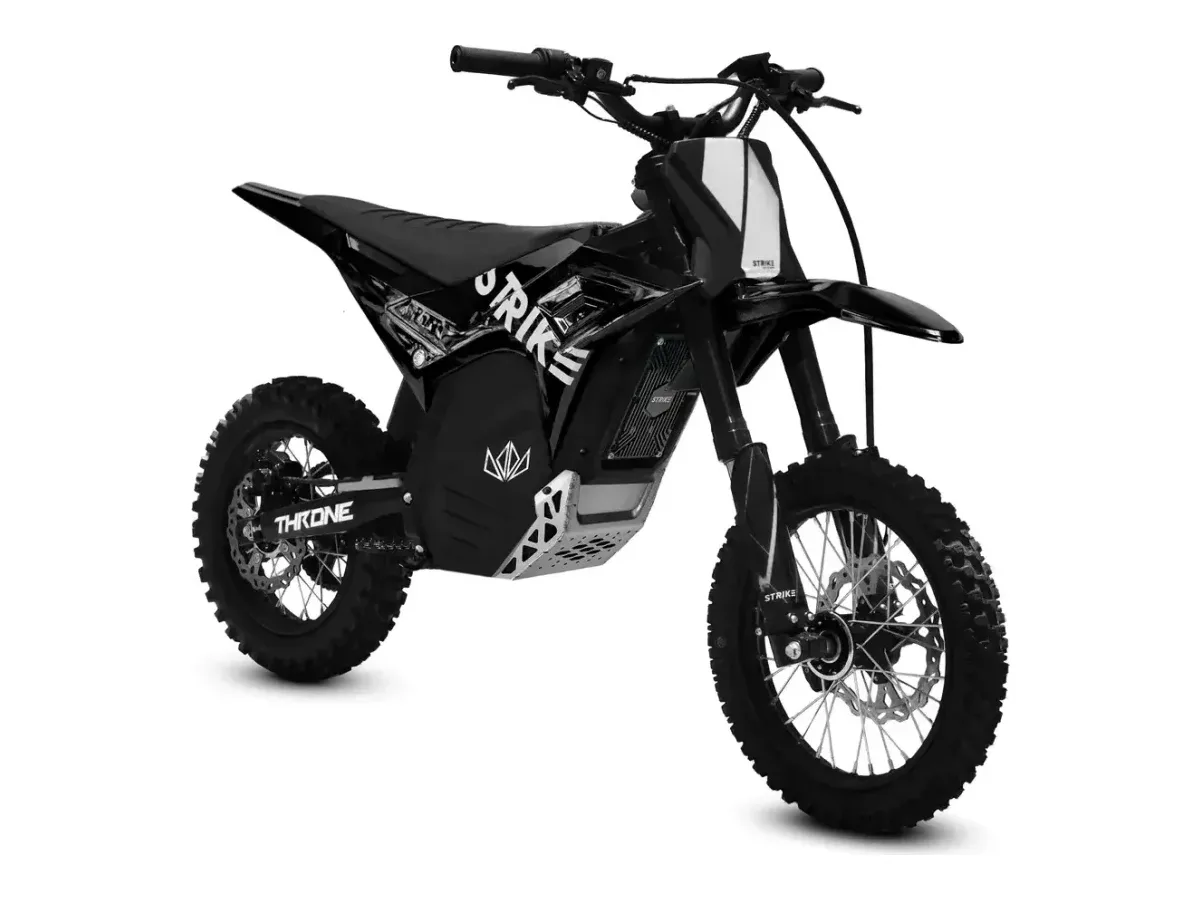
The Velimotor VMX12 pairs a 12 kW motor with a four-speed manual gearbox and a multi-plate wet clutch, which makes it the most familiar for riders who like to shift. It tops out at 105 km/h and weighs 105 kg.
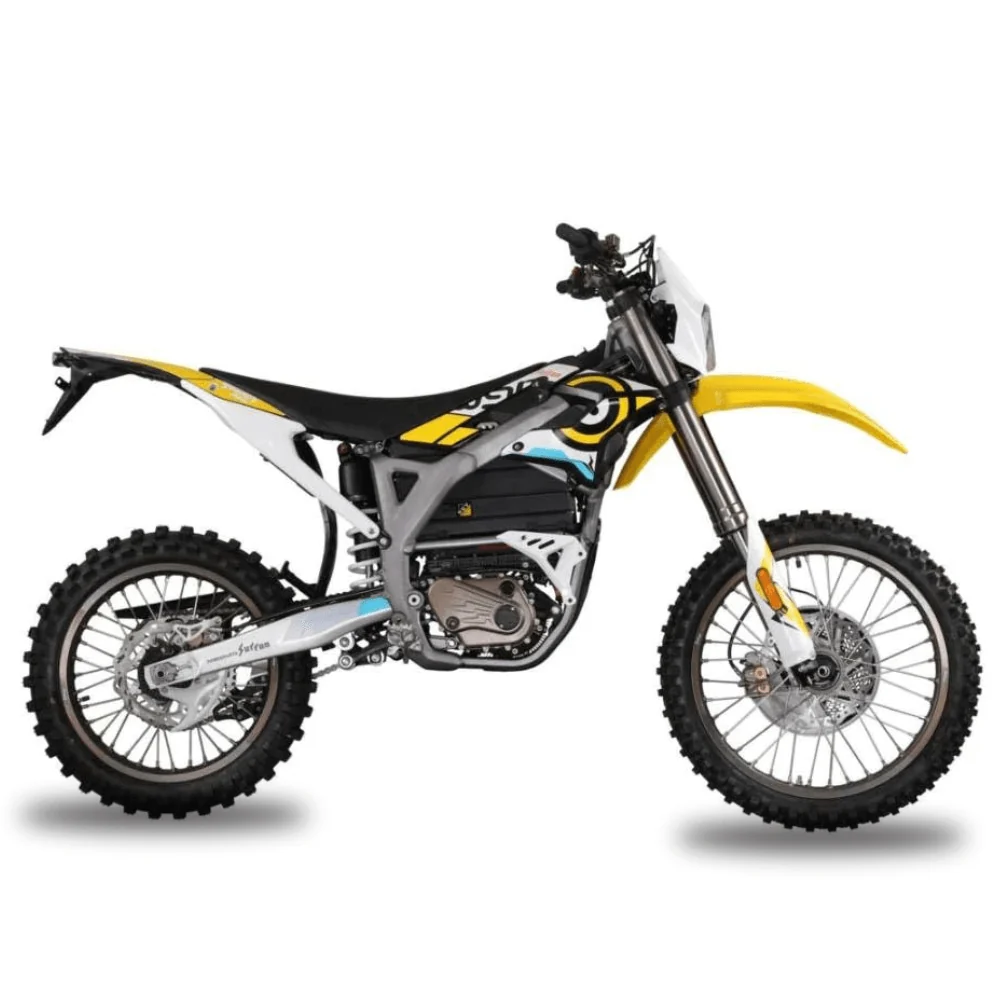
Velimotor VMX12 12kW High-Power Motocross
Dedicated 12kW electric motocross bike with 4-speed manual gearbox and 72V architecture.
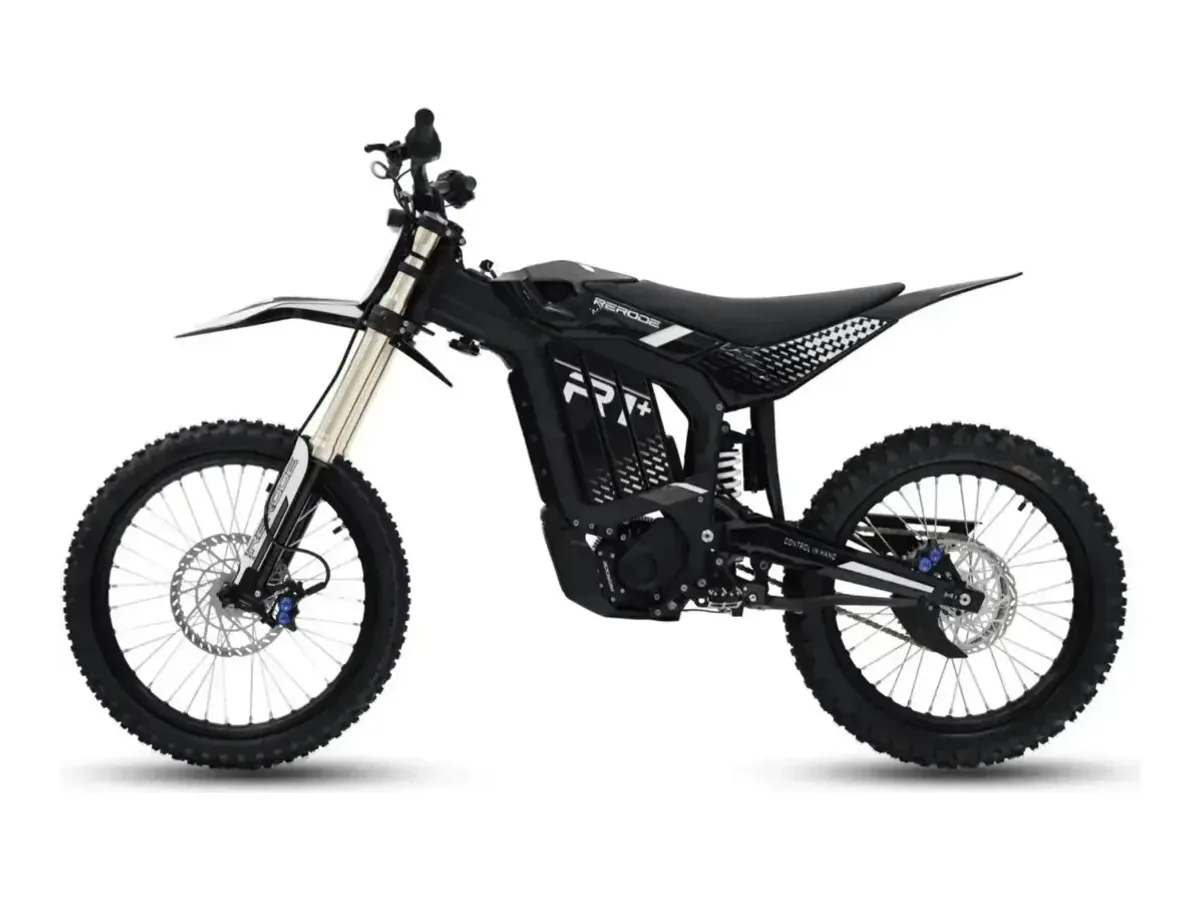
Sur-Ron Storm Bee MX and Stark Varg Alpha for the track
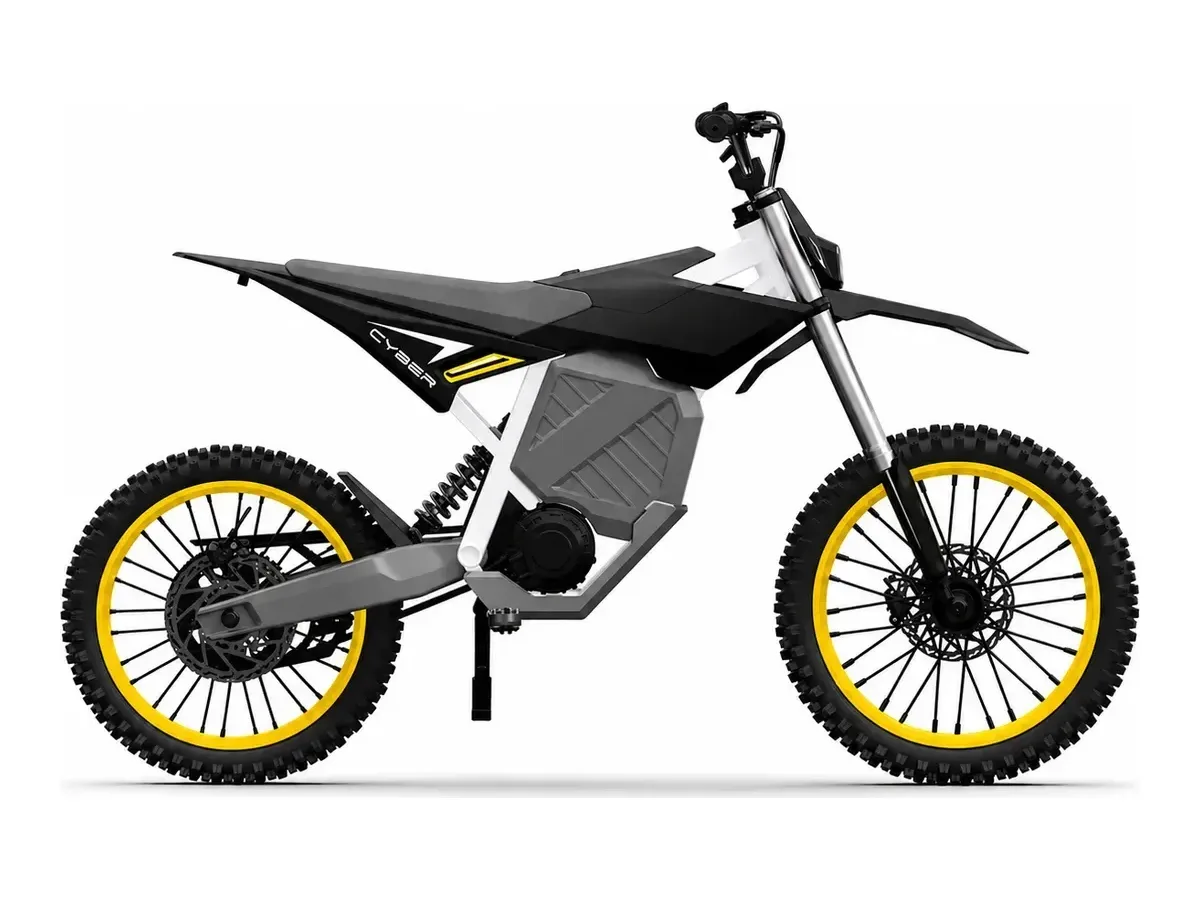
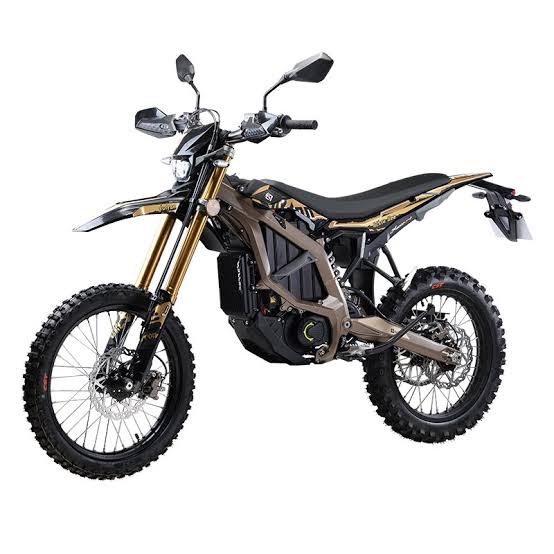
For the track, the Sur-Ron Storm Bee MX offers 22.5 kW and 520 Nm of torque at the rear wheel on 21-inch and 18-inch competition tyres. The Stark Varg Alpha steps up to 60 hp, 820 Nm of torque and KYB 310 mm suspension. Browse the full electric motocross bikes category to compare more.
Sur-Ron Storm Bee MX Track Edition (22.5kW)
Dedicated stripped-back track motocross edition with competition 21/18 wheelset and lightweight harness.
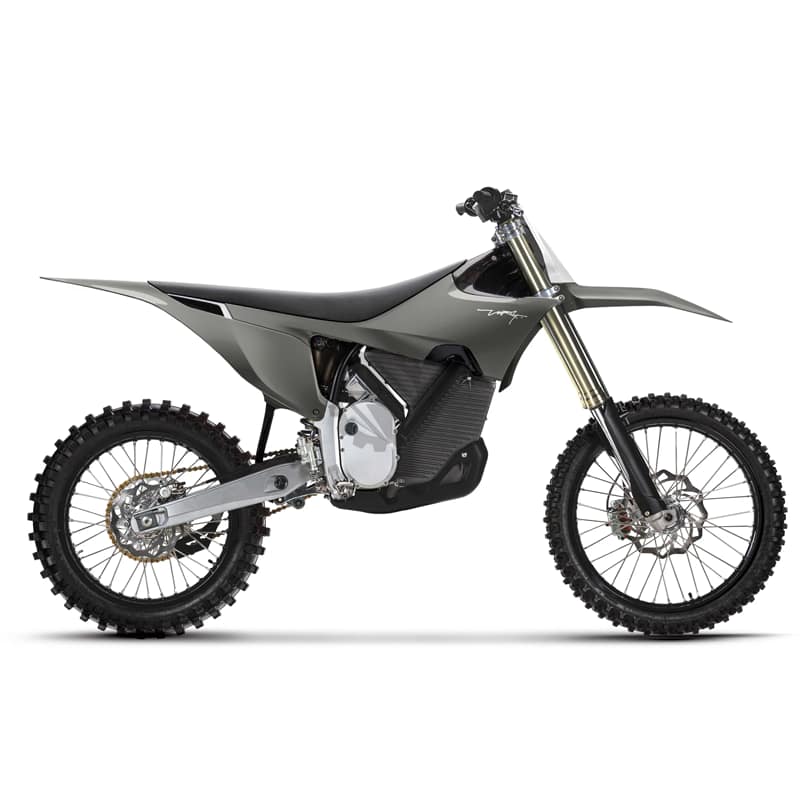
Stark Varg Alpha 60HP Motocross
Competition motocross standard model with 60HP output, KYB suspension, and Brembo hydraulic braking.
What riding feels like after a 2 stroke dirt bike
The first ride on an electric bike surprises two-stroke riders. There is no engine to start by kicking, no warm-up and no clutch lever to feather on most models. You turn the bike on, select a mode and roll. Because there is no engine braking in the petrol sense, many electric bikes use regenerative or motor braking settings that you can tune, so spend time setting that up before you hit a steep descent.
Riders of 2 stroke dirt bikes tend to carry speed through corners with the clutch and a handful of revs. On electric, you do the same with smooth throttle control. A tall, light frame and a low-slung battery make flicking the bike left and right easy, and with a little practice the bike feels more precise than the petrol bike you left behind.
Learning the new power delivery
Start in the gentlest riding mode. Practise on flat ground, then hills, then technical sections. If your bike has adjustable power curves, like the Stark Varg, spend a session finding a map that feels natural. The same approach works for riders stepping from 2 stroke motocross bikes to a Storm Bee MX or any high-output motocross bike.
Practical gains: trailer, storage and fuel hassles
Carrying fuel and oil is a chore many riders happily drop. There is no fuel can to wedge in the ute, no spillage, no smell in a shed and no stale premix when a bike sits for a month. Batteries do need good storage habits, so keep the pack cool, away from direct sun and not at 100 per cent charge for long periods. Battery University is a good, plain-language source on lithium care.
Charging is simple. Plug the supplied charger into a power point, leave it on a hard surface away from anything flammable and unplug when finished. A motocross bike like the Stark Varg Alpha, with a 6.0 kWh pack, takes longer to refill than a small trail bike, so plan the day around a lunchtime top-up if you want long sessions.
Noise, land access and dirt motorcycles near neighbours
Noise is one of the main reasons riders consider the switch. Some tracks and rural properties have limits, and complaints can close popular riding areas. Electric bikes are far quieter at the exhaust, though tyres and chains still make sound and you should always ride on land where you have permission.
Because our off-road electric dirt bikes are for private property and designated off-road areas, check with the landowner, local council and any track operator before you ride. Our future of electric motocross article covers how events and clubs are adapting.
Buying checklist for a former two-stroke rider
If you are moving from petrol to electric, run through this list before you buy.
- Battery size: compare watt-hours, not just voltage.
- Weight and balance: can you lift and load the bike on your own?
- Gearbox or direct drive: decide whether you want a clutch.
- Suspension: check the travel and adjustability for your weight and style.
- Charging: make sure you have a safe place and a suitable power point.
- Parts and support: look for Australian stock, a warranty and published specifications.
Your first year of ownership
Plan a short routine rather than a big workshop day. After every ride, wipe down the frame, check that the axle nuts and footpeg bolts are tight, and look at the chain for dirt or rust. Every few rides, inspect tyre pressure, spoke tension, brake pad thickness and the condition of cables and connectors. Once a season, book a suspension service and a full bolt check. Keep a note of what you find, so small problems never become expensive ones, and ask the supplier about any warranty conditions that depend on regular servicing.
Parts, upgrades and accessories
Tyres, grips, chains, sprockets and protection are all available in our accessories range. Upgrades such as heavier brake kits or longer-range batteries should match your riding. If you are unsure, ask us through the contact page.
Buying your electric dirt bikes in Australia
All four bikes ship Australia-wide from Mittagong NSW, and orders over $1,500 qualify for free freight. If you were searching for dirt bikes or a dirt bike, you will find electric options here, but not petrol ones. Browse every electric dirt bikes for sale product, or compare the Sur-Ron range first. Our guide to 125cc dirt bike alternatives and the 250cc comparison cover the other engine sizes.
Two-stroke, four-stroke and electric: the key differences
A four stroke dirt bike fires once every second revolution, which gives smoother, lower-revving power and better fuel economy than a two-stroke, but it also adds valves, cam chains and more oil to look after. A 4 stroke dirt bike therefore sits between the simple, light two-stroke and the nearly maintenance-free electric motor. Wikipedia explains the cycle in its four-stroke engine entry. Electric bikes skip the whole combustion cycle, so there is no top-end to rebuild and no jetting to adjust after a change in weather.
Reading dirtbike sale listings with an electric eye
Anyone scanning dirtbike sale listings will see mostly petrol bikes, and it is worth asking a few questions of any bike you consider: how many hours on the engine, when was the last rebuild, and what do parts cost. An electric bike answers most of those with a battery health figure and a warranty.
For more on this topic, read our electric Dirt Motorcycle Power Classes Explained and electric MX Motorcycle Australia and electric Offroad Bike Australia.
Frequently Asked Questions
Where can I find dirt bikes that are electric?
Start with our electric dirt bikes category. Every bike listed there is electric, ships Australia-wide and shows published specifications. Choose by battery size, weight and the way you ride. We do not stock petrol bikes, so you will not see two-strokes in the range.
What is the top dirt bike if I want a manual gearbox?
The Velimotor VMX12 at $8,990 is the one to look at, because it has a four-speed manual gearbox and a multi-plate wet clutch with a 12 kW motor. Other bikes in our range use direct drive and have no clutch. Read the product page to check the full specification.
Are dirt bikes with electric power cheaper to run?
Usually they are cheaper to run because electricity costs less than fuel and oil, and there is no top-end rebuild. Purchase prices are higher than for many used petrol bikes, so work out the whole cost over a few years. Our electric dirt bike cost guide shows how.
Do dirt bike riders need different gear for electric?
No. The protective gear is the same: certified helmet, goggles, chest protector, gloves, boots and knee guards. Electric bikes can feel quicker off the line, so take extra care on your first rides. Use a lower power mode if the bike has one, and ride only on private property or designated off-road areas.
Is a dirt bicycle for sale the same as an electric dirt bike?
Not quite. A dirt bicycle usually means a pedal bike built for trails or jumps, while an electric dirt bike has a motor and no pedals. If you want a pedal-assist machine, browse our electric bikes range instead. Our guide to e-bike and dirt bike differences explains the gap.