An electric motorbike for adults is a bigger decision than the sticker price suggests. The four road-going models EDBA stocks run from $3,490 to $8,990, and the right pick depends on how far you ride, how fast the traffic on your route moves and how much weight you are happy to wheel around the garage.
This guide skips the generic buying advice and works from the rider outward. You will see the four models side by side, then which commute, body size and budget each one fits, plus the licence, charging and running-cost questions to settle before you pay.
The four adult road-going models at a glance
Start with the numbers. Every figure below comes from the product listings, and the range figures are manufacturer claims for ideal conditions, not promises.
| Model | Price | Motor | Top speed | Claimed range | Weight |
|---|---|---|---|---|---|
| RTR eBike Pro | $3,490 | 250W | 25 km/h assist limit | Up to 80 km | 22 kg |
| Super Soco CPx | $5,490 | 3,000W peak | 65 km/h | 90 km | 85 kg |
| NIU NQi GT | $5,990 | 3,000W peak | 70 km/h | 100 km (dual battery) | 98 kg |
| Vmoto Soco TC-Max | $8,990 | 5,000W peak | 95 km/h | 120 km | 117 kg |
The jump in price tracks power, battery size and frame size. The RTR is a pedal-assist bicycle, so it sits in a different category from the other three, which are motor-driven and ride like small motorcycles. Browse the full range of electric motorcycle bikes in the electric motorcycles category to see everything in that class. Product labels get muddled online, with terms like electric motorcycle moped and e bike motorbike used for what are really three classes: a pedal-assist bicycle, a small motor-driven moped and a full-size motorcycle.
Match the bike to the way you ride
Most buyers start by comparing top speeds. A better first question is where you will spend your time.
Short city commutes at suburban speeds
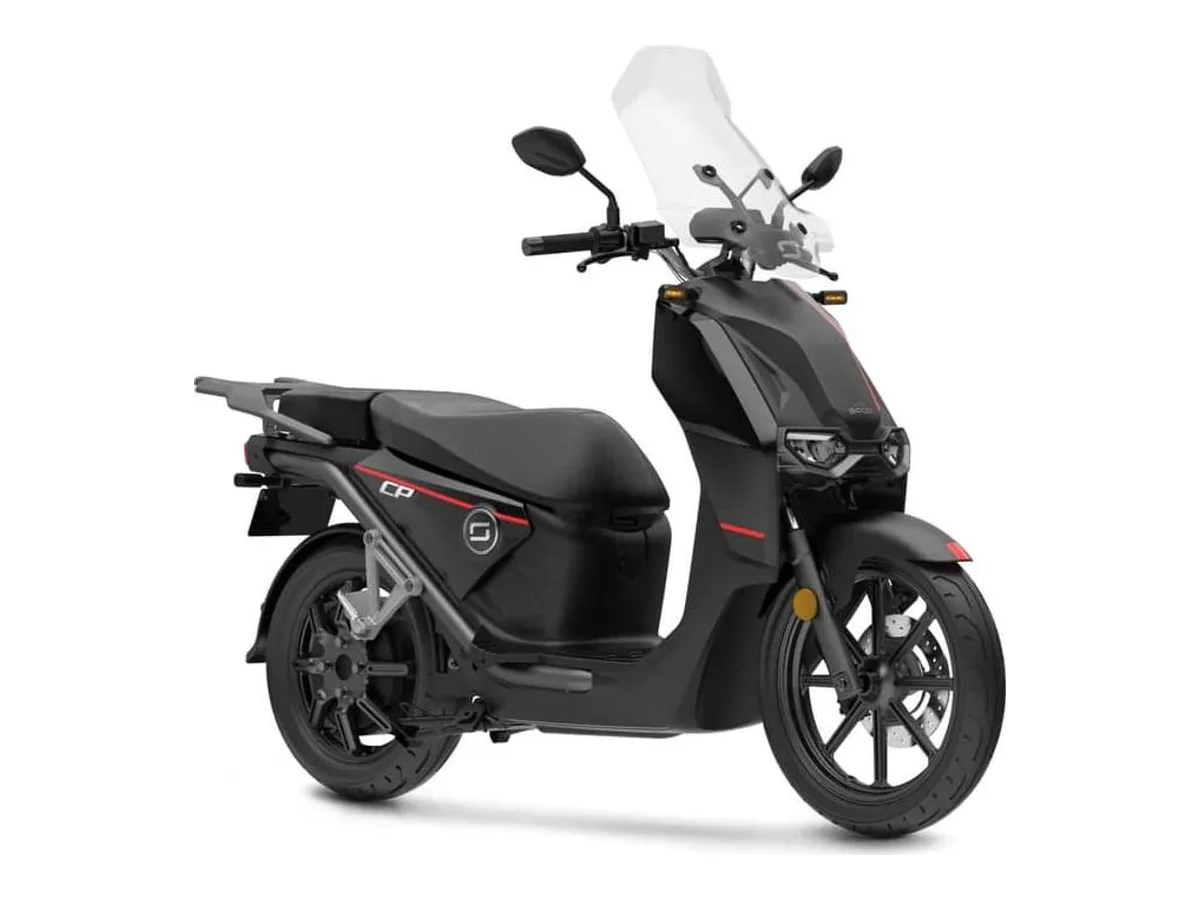
If your trip is mostly 50 to 60 km/h streets and a handful of traffic lights, the Super Soco CPx is the most affordable motor-driven option at $5,490. It has a 60V 30Ah removable battery, keyless Bluetooth start and regenerative braking, and it is the lightest of the three at 85 kg.
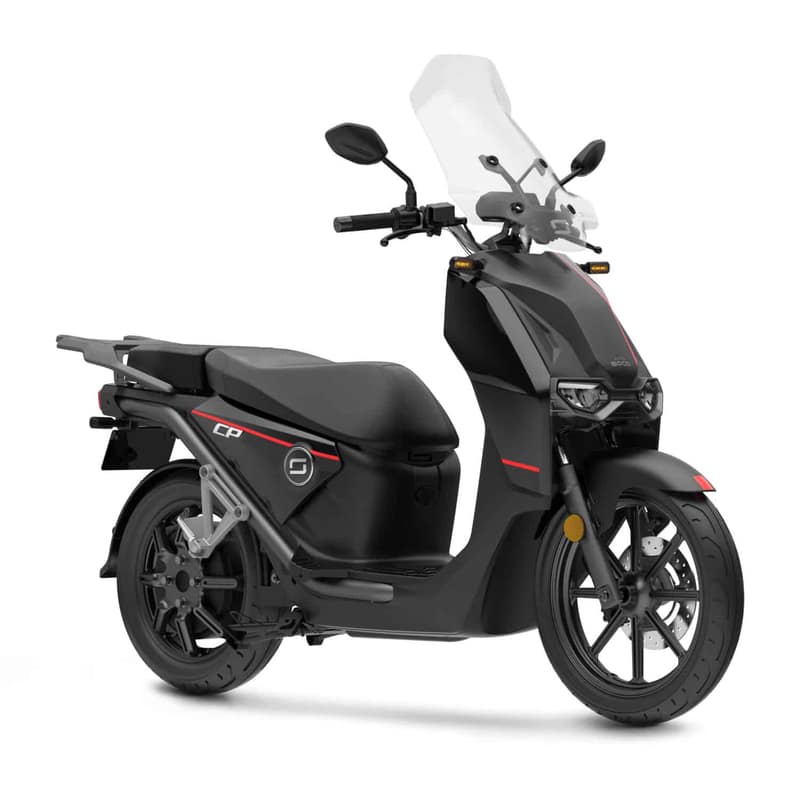
Super Soco CPx Electric Moped (Road-Legal, 3kW)
Retro-styled 3kW electric moped for Australian city commuters. Road-registered, LAMS-compliant, and styled with classic café-racer inspiration.
The NIU NQi GT costs $500 more at $5,990 and adds a 70 km/h top speed, dual removable batteries and cellular GPS with a Bluetooth app. That tracking is handy if the bike lives in a shared garage or on the street.
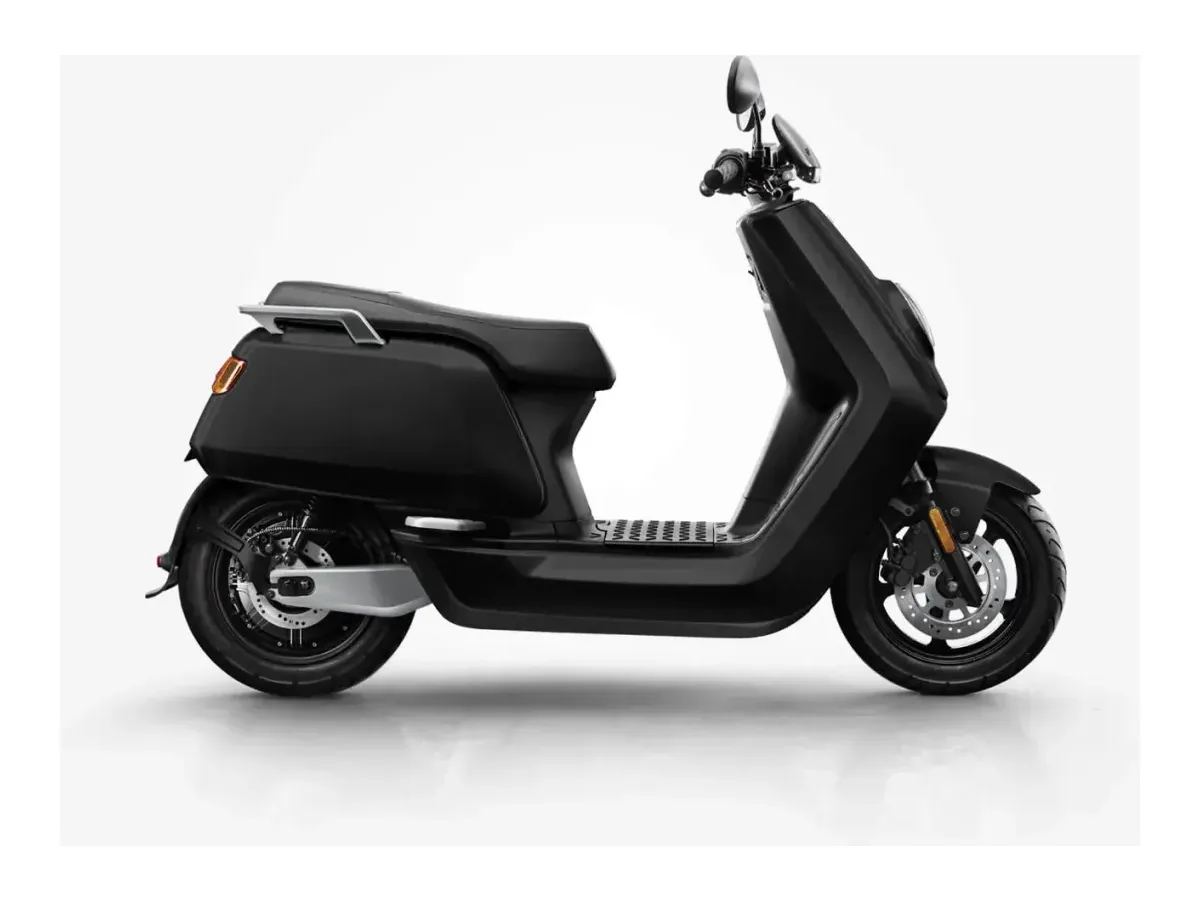
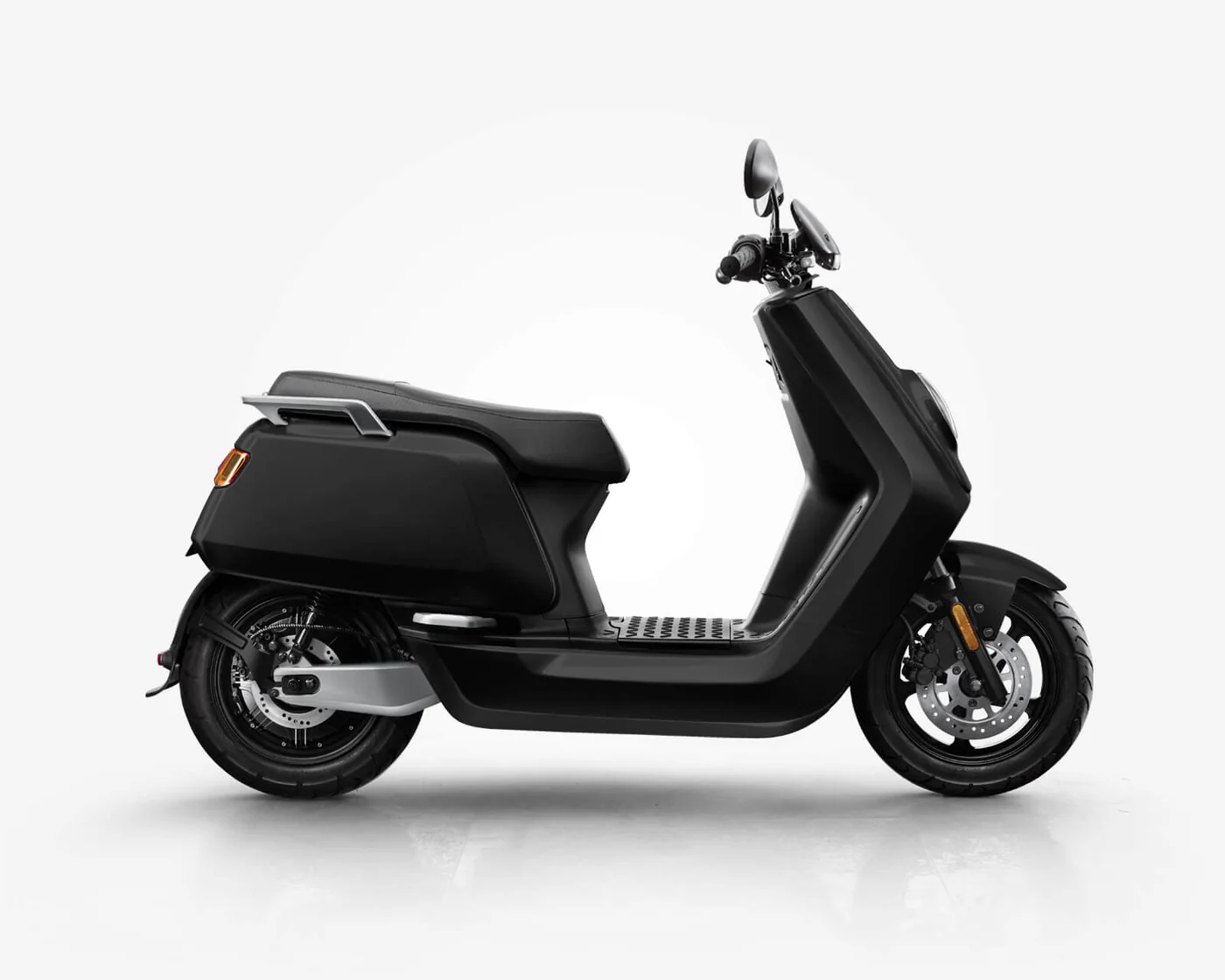
NIU NQi GT Electric Moped (Road-Legal, LAMS)
Road-registered electric moped with 3,000W motor, LAMS-approved registration for L and P-plate riders, and a full 100km range.
Mixed commuting and weekend riding
Once your route includes faster arterial roads, 65 to 70 km/h starts to feel tight. The Vmoto Soco TC-Max tops out at 95 km/h, carries a 72V dual removable 4.8 kWh battery and claims 120 km of range. It also has adjustable WP suspension at both ends, which matters on rough suburban bitumen more than most people expect.
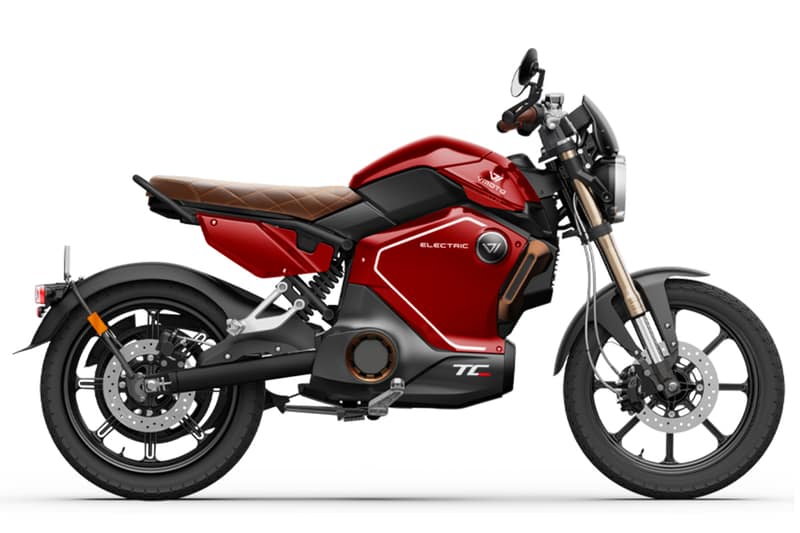
Vmoto Soco TC-Max Electric Motorcycle (Road-Legal, 5kW)
Premium 5kW road-legal electric motorcycle from Australian-listed Vmoto. Full-size motorcycle ergonomics, LAMS approved, 120km range.
Riders who are bigger or carry gear
Seat height and reach matter too. Sit on any bike you are considering, or check the listing dimensions against your inside leg, so you can put both feet down comfortably at a stop. Small mismatches become tiring on a daily commute.
A heavier rider, or one carrying a backpack and a laptop every day, drains a battery faster and loads suspension harder. The TC-Max is the only electric motorcycle for adults in this group described with full-size motorcycle ergonomics,. The trade-off is that at 117 kg it is also the heaviest to push around a garage, so check you can manage the weight before you buy.
Licence and registration: what to check first
Licence and registration rules for an electric motorbike for adults depend on your state and on the exact class of the vehicle, so treat this section as a map, not legal advice.
The product listings state that the NIU NQi GT is LAMS approved and legal for learner and provisional riders in all states, and that the Vmoto TC-Max is LAMS-compliant with full road registration. The Super Soco CPx is listed as road-registered and LAMS-compliant. LAMS is the Learner Approved Motorcycle Scheme, and our LAMS guide for electric mopeds explains how it applies to this class.
Rules change, and they are not the same in every state or territory, so always rely on the current official wording rather than a shop page or a forum post. Before you pay, confirm three things with your state authority:
- Which licence class lets you ride that specific model.
- How registration, plates and compulsory third-party insurance work in your state.
- Whether your riding history changes anything.
Start with official sources such as NSW Government e-bike rules, the Queensland Street Smarts e-bike page or Victoria Police e-bike guidance, then ask your state transport authority about motorcycle-class vehicles. Our guide to road-going electric motorcycles and the e-bike laws hub collect the questions worth asking.
Range and charging in plain numbers
Range claims are the easiest figures to misread, so it helps to understand the battery behind them.
How to read a battery label
Energy is volts multiplied by amp hours. The Super Soco CPx has a 60V 30Ah pack, so 60 x 30 = 1,800 Wh, or 1.8 kWh. Its 90 km claim works out to roughly 50 km per kWh. The TC-Max stores 4.8 kWh and claims 120 km, which is about 25 km per kWh. The bigger bike is faster and heavier, so it uses more energy per kilometre.
Worked example: if the CPx claims 90 km and you plan for two thirds of that, you budget 60 km between charges. That comfortably covers a 25 km each-way commute with room to spare for a detour.
Real-world range falls with speed, hills, headwinds, cold weather and rider weight. A sensible habit is to plan your daily trip at around two thirds of the claimed figure and treat the rest as a buffer.
Charging at home
All three motor-driven models use removable lithium batteries, so you can carry a pack inside to charge at a bench or desk rather than running a lead to the street. Lithium cells last longer when they are not left at full charge or run flat routinely, as Battery University explains. For storage and charging safety, follow the Queensland Fire Department battery guidance and never charge on or under flammable items.
The pedal-assist option: an adult electric bike
Not every adult needs a motorcycle-class machine. If you want to avoid a licence conversation entirely, the RTR eBike Pro is a 250W pedal-assist bike with Shimano 7-speed gears, a 36V 15Ah (540 Wh) battery and up to 80 km of claimed range. At 22 kg it is easy to carry up steps, and the listing states no licence, registration or number plate is required.
RTR eBike Pro Electric Commuter (Road-Legal, 250W)
Road-legal Australian street e-bike with 250W motor, 25 km/h speed limit compliance, and 7-speed Shimano gears — registered and ridden anywhere in Australia.
That description matches the listing only, and rules on e-bikes still vary by state, so confirm yours. If you are weighing it against the motor-driven models, our comparison of the RTR eBike and Super Soco CPx goes into the trade-offs. People searching for an electric bike for adults australia wide often start here because the price is lowest and the paperwork lightest, but the speed ceiling is 25 km/h assist.
Electric motorbike for sale: what you pay and what it costs to run
An electric motorcycle for sale at EDBA costs $3,490 to $8,990 for the four models here. Road-going options are the Super Soco CPx at $5,490, the NIU NQi GT at $5,990 and the TC-Max flagship at $8,990. That is the price range for road-going models, before registration, insurance and gear, which vary by state. Our electric motor bike guide for 2026 lists the line items worth budgeting for.
Orders over $1,500 ship free, paying with crypto or PayID takes 10% off instantly, and EDBA-supplied e-motos carry a 12-month Australian warranty (see the warranty and service page). As a worked example, the CPx at $5,490 is $4,941 after a 10% PayID discount, a saving of $549. Ready to buy? Browse the electric motor bikes for sale in the commuter mopeds collection.
Running costs are small. If your tariff were 30 cents per kWh (use the rate on your bill), a full 1.8 kWh charge would cost about 54 cents, though battery wear is the long-run cost to keep in mind.
Choosing the right electric motorbike for adults: next steps
For most buyers, the choice comes down to this:
- Under 20 km a day at suburban speeds: Super Soco CPx or NIU NQi GT.
- Faster roads, longer trips or a bigger frame: Vmoto Soco TC-Max.
- No licence and a low budget: RTR eBike Pro.
Compare listings in the electric motor bikes range and the commuter mopeds collection. If you want the purchase process laid out, read how to buy step by step, and for the difference between categories see e motorbike vs e-bike vs electric moped. Send us a question through the contact page if you are stuck between two models.
Frequently Asked Questions
Where can I find an electric motorcycle for sale in Australia?
EDBA lists road-going electric motorbikes for sale, from mopeds to full-size motorcycles, in its electric motorcycles range, with prices on each product page. Stock changes, so check the listing for current availability, and use the contact page if you want a model confirmed before you order. Free freight applies to orders over $1,500.
Can learner riders use these bikes?
Some can. The NIU NQi GT listing states it is LAMS approved and legal for L and P-plate riders in all states, and the Super Soco CPx and Vmoto TC-Max are listed as LAMS-compliant. Always confirm the licence class for your own situation with your state transport authority before you buy.
What is the best electric motorcycle for a first-time adult rider?
There is no single best choice, and prices run from $3,490 to $8,990. The Super Soco CPx is the lowest-priced motor-driven option at $5,490 and the lightest at 85 kg. The NIU NQi GT adds speed and GPS tracking at $5,990. The Vmoto TC-Max suits riders who want more speed and a bigger frame. Match the bike to your commute first.
Is it okay to ride an electric motorbike on any road?
Not automatically. Registration, licence class and where a vehicle may travel depend on its classification and on your state's rules. Off-road electric dirt bikes are for private property and designated areas. For any road-going model, check the state government pages linked above and your transport authority before riding on public roads.
What separates an e-motorbike from a regular electric bike?
An e-motorbike has a motor that drives the wheel without pedalling, with higher speeds and a larger battery. A regular electric bike adds a limited 250W pedal assist, with a 25 km/h assist limit, as on the RTR eBike Pro. The classification affects licence, registration and cost, so it is worth understanding before you choose.