How fast can an electric bike go in Australia?
The answer depends on which type of bike you mean. Road-legal pedal-assist bikes stop assisting at 25 km/h, while off-road electric dirt bikes in our range reach 85 to 95 km/h. This guide lists the fast electric bikes we sell by category, with the real top speeds from each product listing, so you can see exactly what you get at each price.
If you are comparing the fastest e bike Australia riders can buy for the road with the quickest off-road options, keep the legal split in mind: speed on the road is capped, and speed off the road depends on the bike.
Fast electric bikes by category
| Category | Example bike | Top speed | Price |
|---|---|---|---|
| Youth trail | Segway X160 Compact | 50 km/h | $4,690 |
| Trail | Talaria Sting R MX4 | 85 km/h | $7,290 |
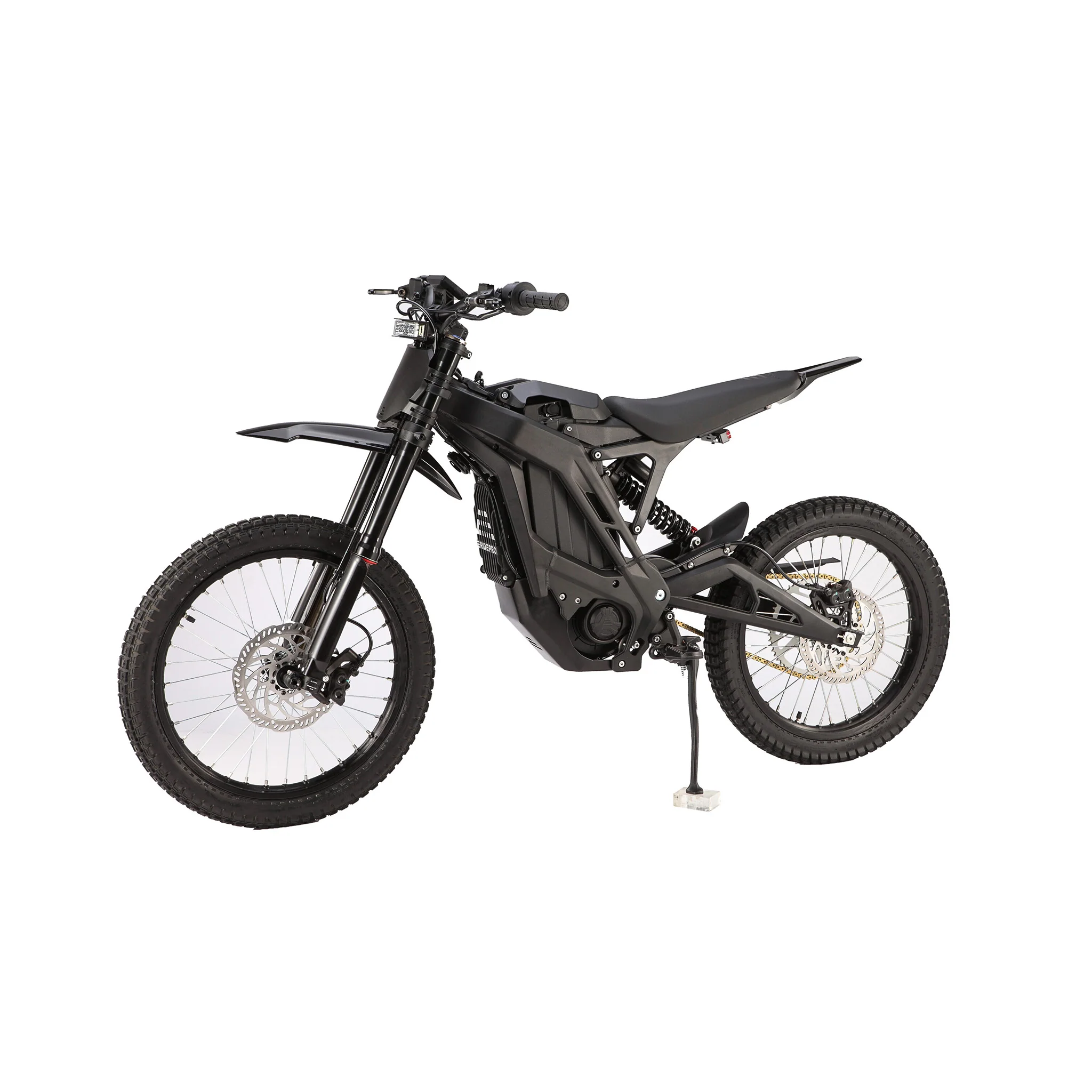
| Enduro | Sur-Ron Ultra Bee | 90 km/h | $10,990 |
| Hyper-trail | E-Ride Pro-SS 2.0 | 95 km/h | $8,690 |
Speeds are from each product listing and are for off-road use on private property.
Fastest road-legal electric bike
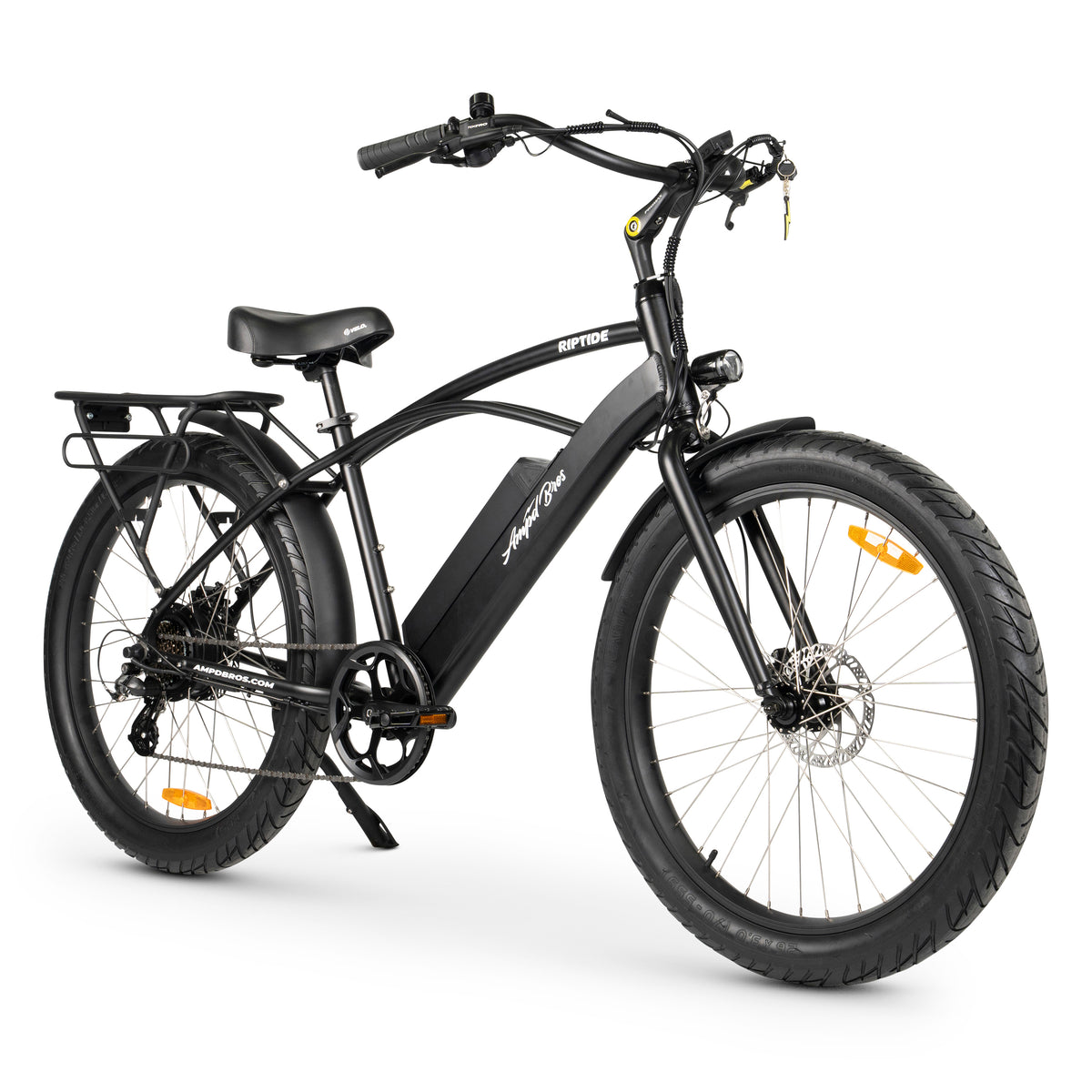
A road-legal pedal-assist bike must meet the Australian 250W continuous power and 25 km/h assist standard. That is why our commuter range tops out at 25 km/h.
What you get for the speed limit
Within the limit, the difference between commuter bikes is range, weight and components.
Fast electric dirt bikes
Off-road, speed comes from motor power and battery voltage. The 72V and 74V packs deliver the highest top speeds, and the controller sets the power curve.
E-Ride Pro-SS 2.0: 95 km/h
The E-Ride Pro-SS 2.0 combines a 72V 40Ah battery with a 12kW peak motor and a turbo boost button, and lists a top speed of 95 km/h and up to 105 km of range.
Sur-Ron Ultra Bee: 90 km/h
The Sur-Ron Ultra Bee pairs 12.5kW peak power with 440 Nm of torque and a 74V 55Ah battery, with up to 140 km of range in eco mode.
Talaria Sting R MX4: 85 km/h
The Talaria Sting R MX4 lists 8kW of peak power, a 60V 45Ah battery and up to 110 km of range.
For more on speed, see how the options stack up on our electric dirt bikes page, or read our guide on how fast electric dirt bikes go.
Speed versus range
Top speed and range pull in opposite directions. Riding at full throttle drains a battery quickly, and eco modes extend range. Quoted ranges are best-case figures, so plan around the lower end for hilly or sandy terrain.
- Decide whether you will ride on the road or off it.
- Choose the voltage class that matches your speed needs.
- Pick a battery size that covers your ride length with margin.
- Add a fast charger if you ride more than once a day.
Fast electric bike safety
A fast electric bike accelerates harder than most riders expect. Wear a full-face helmet, gloves, boots and body armour, ride within your skill level and keep a spare battery only if you can charge it safely. Read the NSW Government guidance on lithium-ion batteries and e-micromobility devices for charging and storage safety.
What decides how fast an electric bike goes
Four things set the top speed of an electric bike, and it helps to know them when you read a listing.
- Motor power. Peak power in watts or kilowatts sets how hard the bike accelerates and how fast it can ultimately go.
- Battery voltage. A 72V or 74V pack lets the motor spin faster than a 48V or 60V pack at the same load.
- Controller settings. The controller limits current and speed. A bike can be capable of more than it is set to deliver.
- Gearing and weight. Final drive ratio and rider and bike weight all change the real-world top speed.
Quoted top speeds are best-case, on flat ground, with a fully charged battery and a lighter rider. Plan on less.
Weight and power compared
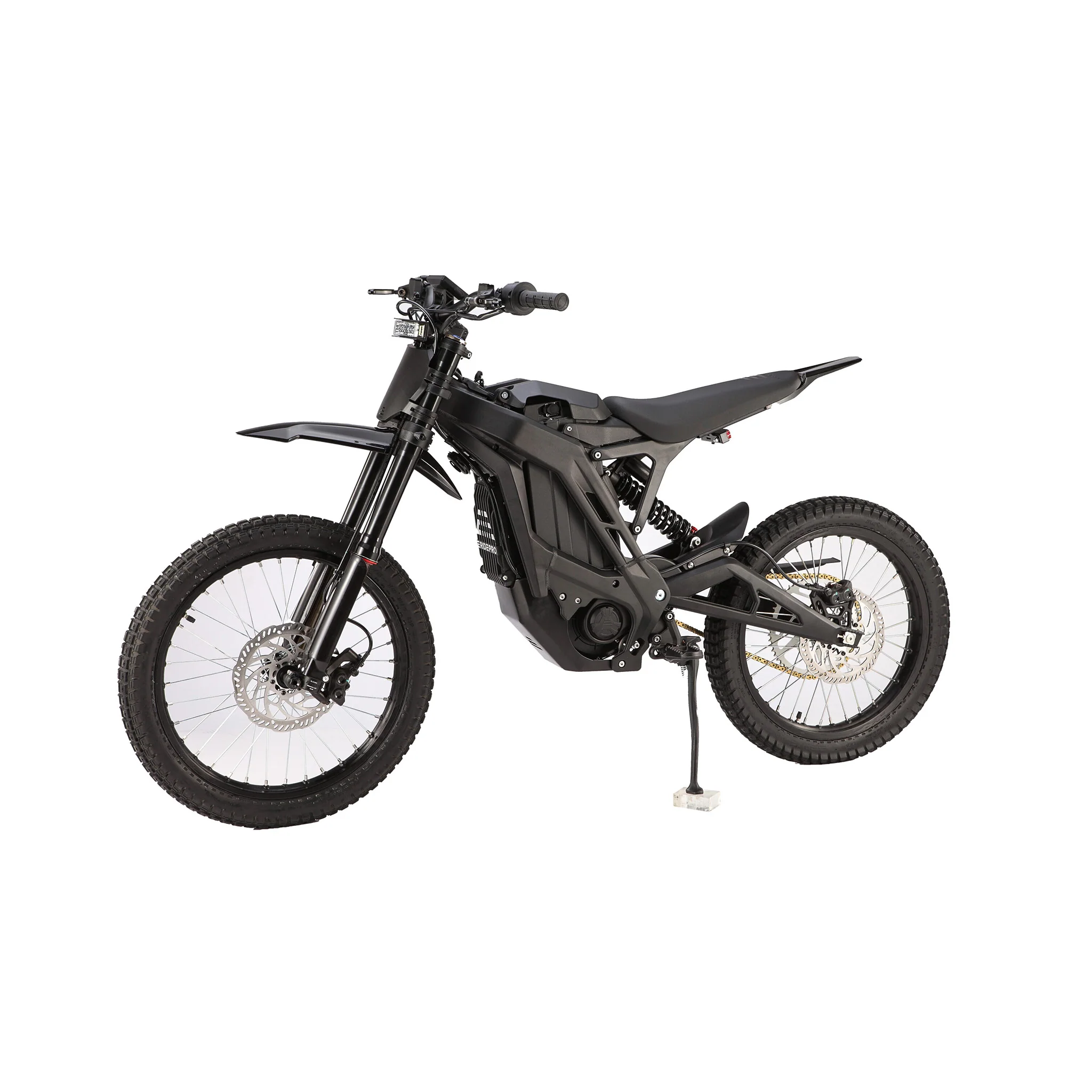
E-Ride Pro-SS 2.0 (72V 40Ah / 12kW)
Factory 72V hyper-trail bike delivering 12kW peak output, turbo boost button, and inverted high-travel suspension.
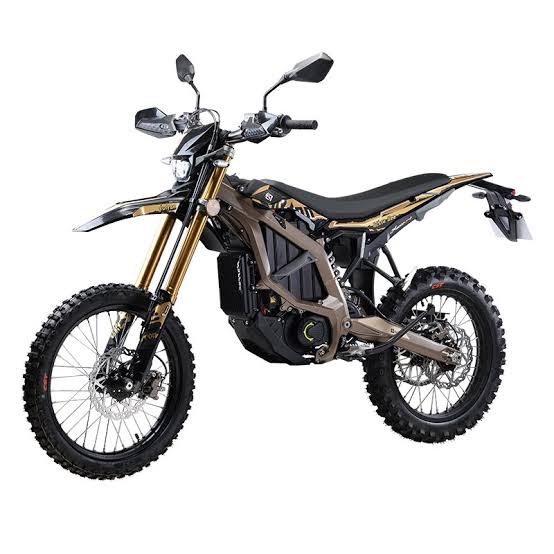
Sur-Ron Ultra Bee (74V 55Ah / 12.5kW)
Full-sized mid-weight enduro electric bike with 12.5kW peak power, 440Nm torque, and integrated traction control (SRTC).
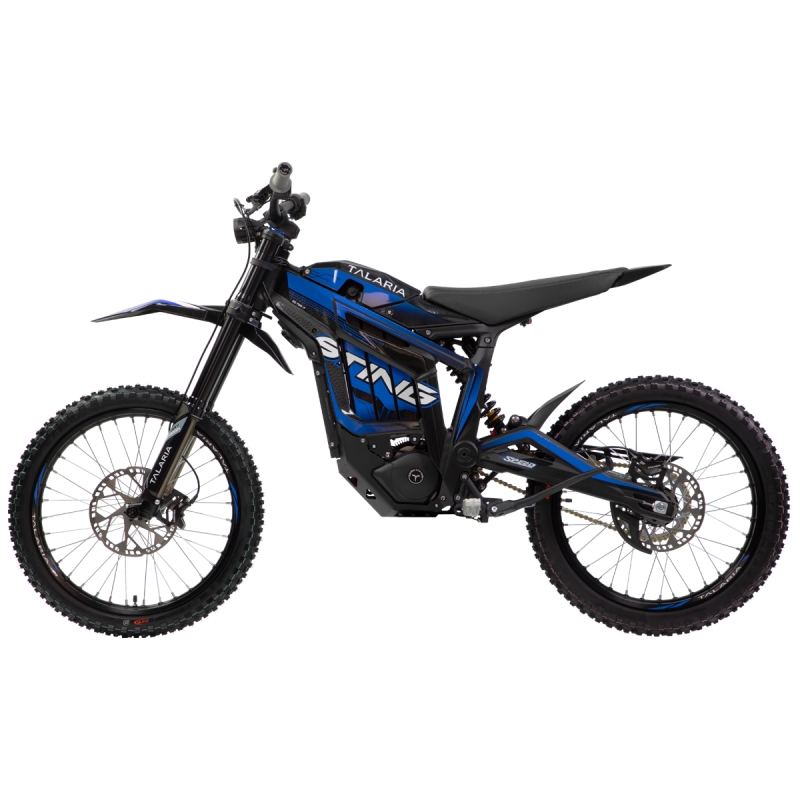
Talaria Sting R MX4 (60V 45Ah / 8kW)
Next-gen electric trail powerhouse with oil-cooled sealed gearbox, 8,000W peak output, and 45Ah high-capacity battery.
| Bike | Peak power | Battery | Weight | Quoted top speed |
|---|---|---|---|---|
| E-Ride Pro-SS 2.0 | 12 kW | 72V 40Ah | 64 kg | 95 km/h |
| Sur-Ron Ultra Bee | 12.5 kW | 74V 55Ah | 85 kg | 90 km/h |
| Talaria Sting R MX4 | 8 kW | 60V 45Ah | 63 kg | 85 km/h |
| Segway X160 Compact | 3 kW | 48V 20Ah | 48 kg | 50 km/h |
A lighter bike with similar power feels faster and is easier to handle. A heavier bike with a larger battery goes further but is more work in tight terrain.
Choosing a fast electric bike by riding style
Trail and bush riding
A mid-weight trail bike with 8 to 12 kW is plenty for fire trails and singletrack. Look at suspension travel and battery capacity rather than chasing the highest top speed, because most trail riding happens well below it.
Track and motocross
For the track, power delivery and weight matter more than top speed. Our electric motocross bikes page lists the competition models side by side.
Enduro and long rides
For long rides, the battery decides the day. The Sur-Ron Ultra Bee's 74V 55Ah pack is the largest battery in this group, and a second pack or a fast charger extends a day of riding.
Charging fast bikes
A bigger battery takes longer to charge on a standard charger. We list a 10A compact touring charger, a 15A fast charger for 60V and 72V packs and a 20A ultra-fast pit charger, so you can match the charger to how you ride. Check the pack's maximum charge rate before using a faster charger.
Can you make an electric bike faster?
Controllers and batteries are the usual upgrades, and we have guides on controller options and 72V battery upgrades. Changing a controller or battery can affect warranty cover, so check the terms first, and remember that extra speed raises the demands on your brakes, suspension and protective gear.
A price ladder for fast electric bikes
Speed costs money, because the faster bikes carry larger batteries, bigger controllers and stronger frames. This ladder uses the listed prices from our range.
| Step | Bike | Price | What you gain |
|---|---|---|---|
| 2 | Segway X160 Compact | $4,690 | 50 km/h off-road with a compact frame |
| 3 | Talaria Sting R MX4 | $7,290 | 85 km/h with a sealed gearbox and a 45Ah battery |
| 4 | E-Ride Pro-SS 2.0 | $8,690 | 95 km/h with a turbo boost button |
| 5 | Sur-Ron Ultra Bee | $10,990 | 90 km/h with the largest battery and traction control |
Questions to ask before buying a fast bike
- Where will I ride it? Fast off-road bikes need private property or a designated off-road park, and many parks have their own speed and noise rules.
- Is my skill level right? Start in the lowest power mode and work up. Most fast bikes have selectable riding modes for exactly this reason.
- Can my brakes and suspension keep up? Check suspension travel and brake specifications on the listing, not just the motor.
- How will I transport it? An 85 kg bike needs a proper ramp and a secure tie-down. Our folding loading ramp is rated to 340 kg.
Compare these questions with the bikes on our electric dirt bikes page, and visit the Sur-Ron range if you want the lighter Light Bee X.
Frequently Asked Questions
What are the fastest electric bikes in Australia?
Among the bikes we sell, the E-Ride Pro-SS 2.0 lists 95 km/h, the Sur-Ron Ultra Bee 90 km/h and the Talaria Sting R MX4 85 km/h. All are off-road bikes for private property.
Are fast electric bikes legal on the road?
Road-legal electric bikes are limited to 25 km/h assist and 250W continuous power. Faster bikes are for private property and designated off-road parks unless they are road registered. See the e-bike laws guide.
Does a faster electric bike cost more?
Generally yes. Higher voltage and power need larger batteries and controllers. Our range runs from $2,790 for a road-legal commuter to $10,990 for the Sur-Ron Ultra Bee.
Can I get a faster bike for a teenager?
The Segway X160 Compact lists 50 km/h and suits teens and smaller adults. Always supervise and use full safety gear.
What decides how fast an electric bike goes?
Motor power, battery voltage, controller limits, weight and gearing all matter, and manufacturer top speeds are measured in ideal conditions.